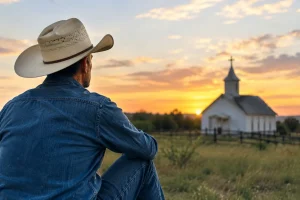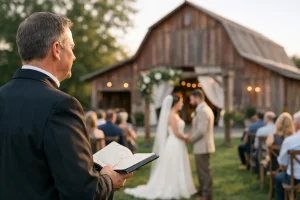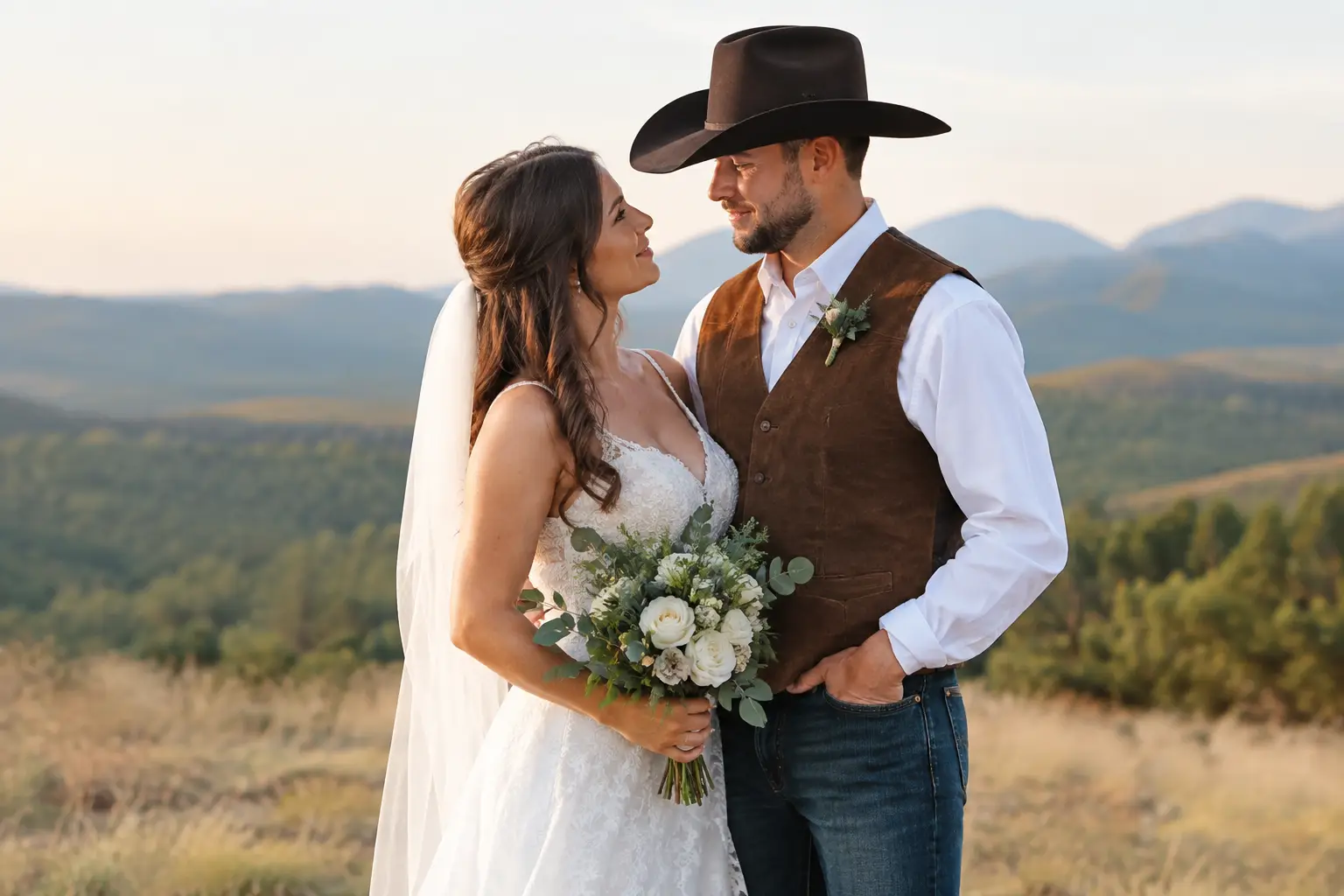
A wedding held under a big Texas sky, beside a barn, in a rodeo arena, or at the family ranch can be every bit as lawful as one held in a chapel. So, are cowboy weddings legally valid? Yes, they can be. The boots, hats, horses, denim, and wide-open setting do not change the law. What matters is whether the couple, the officiant, and the marriage paperwork meet the requirements where the marriage takes place.
That is good news for couples who want a wedding that feels like home instead of something borrowed from somebody else’s tradition. A Western wedding can honor the Lord, honor family, and honor the life you have built together. Just make sure the legal details are handled with the same care you give the vows.
Are Cowboy Weddings Legally Valid in Texas?
A cowboy wedding is a style of wedding, not a separate legal category. The law does not require a church building, a formal altar, expensive clothing, or a certain number of guests. A sincere ceremony at a ranch, barn, pasture, private home, or outdoor venue may be legally valid if the legal requirements are met.
In Texas, that usually means the couple obtains a valid marriage license, waits the required period unless an exception applies, has the ceremony performed by someone authorized to officiate, and makes sure the completed license is returned and filed as required. Other states have their own rules, and some counties have local procedures, so never rely on what worked for a friend across the state line.
A faith-centered ceremony and a legal marriage ceremony can be one and the same. A Christian minister can lead the prayer, preach from Scripture, speak plainly about the covenant of marriage, and pronounce the couple married while also completing the legal duty of an officiant. The spiritual weight of the day and the legal record of the day do not have to compete.
The Paperwork Comes Before the Ceremony
The marriage license is where many couples get tripped up. It is not the same thing as a decorative marriage certificate, and it is not something to leave until the week of the wedding.
Before setting the ceremony date, contact the county clerk’s office in the county where you plan to get your license. Ask what identification is required, what the fee is, whether both people must appear in person, how long the license remains valid, and whether there is a waiting period. Requirements can change, and a quick phone call can prevent a long drive or a last-minute mess.
For Texas couples, the license may generally be obtained from any county clerk in the state and used anywhere in Texas, but timing matters. Texas commonly has a waiting period before the ceremony, though certain exceptions may apply. Do not guess about an exception. Ask the clerk directly and get clear instructions before you schedule the officiant or gather your guests.
If either person was married before, ask about rules concerning a recent divorce. If one of you is under age, is serving in the military, lives out of state, or has a special circumstance, bring that up with the clerk. There is no shame in asking. A strong marriage begins with honest communication and good preparation.
Choose an Officiant Who Can Handle Both Parts of the Day
Your officiant is more than the person standing up front with a Bible. He or she should understand the difference between creating a meaningful ceremony and completing the legal responsibility that follows it.
In Texas, ordained or licensed Christian ministers are among those who may be authorized to conduct a marriage ceremony. Still, couples should confirm the requirements for their own location before the wedding. State laws vary, and some places have registration requirements or rules about who may solemnize a marriage.
When you speak with an officiant, ask a few plain questions: Are you authorized to officiate where we are getting married? Have you completed and returned marriage licenses before? What information do you need from us? Who is responsible for getting the license to you, and who returns it after the ceremony?
Those questions are not unromantic. They show that you are taking the covenant seriously. A good officiant will welcome them and walk you through the process without making it complicated.
At Burleson Cowboy Ministries, the heart behind wedding ministry is simple: bring biblical truth and personal care to couples in places that fit their lives. Whether that is a ranch gate, a family barn, or an outdoor gathering place, the setting can stay country while the ceremony remains reverent and properly prepared.
A Ranch Venue Does Not Make the Marriage Less Official
Some couples worry that a wedding outside a church or courthouse will somehow be viewed as less real. That is not how it works. A venue can be as simple as a backyard under oak trees or as polished as a Western event space. What makes the marriage legally recognized is compliance with state law, not whether there are stained-glass windows.
That said, a rural venue creates practical considerations worth planning for. Wind can make paperwork hard to manage. Rain can move a ceremony in a hurry. A nervous best man can misplace the license in a truck cab. Plan ahead for a clean, dry place to keep the documents, and decide who is responsible for them from the moment they arrive until they are returned.
If witnesses are required where you marry, make sure they know their role and are present when needed. Texas rules may differ from another state’s rules on witnesses, so this is another item to confirm with the clerk. Do not assume that a photograph of everyone signing or a verbal promise will replace a signature where one is required.
Make the Ceremony Personal Without Losing the Legal Core
A cowboy wedding can carry plenty of personality. You may enter on horseback, use a ranch truck for photographs, include a rope-cross ceremony, invite guests to wear boots, or exchange vows beneath a weathered wooden cross. Those details tell your story.
The ceremony can also stay deeply Christian. Many couples choose Scripture readings, prayer with their families, worship music, and vows that speak of lifelong faithfulness. Marriage is not just a celebration of finding the right person. It is a covenant before God, calling a husband and wife to serve one another with humility, grace, truth, and steady love.
But personal touches should not crowd out the legal essentials. Your officiant should clearly conduct the marriage according to the requirements of the state, complete the license accurately, and follow the filing instructions. If you are writing your own vows, that is usually fine, but let the officiant guide the part of the ceremony that makes the marriage official.
After the Wedding, Finish the Job
The marriage is not fully handled just because the guests cheered, the brisket was served, and the last dance ended. The signed license needs to be returned to the proper office on time. Depending on local rules and the agreement with your officiant, the officiant may return it, or the couple may be asked to do so.
Before you leave for your honeymoon, know exactly who has the document and when it will be filed. Then request certified copies of your marriage record if you will need them for changing a name, updating insurance, handling benefits, or other legal matters. Put those copies in a safe place with your other important records.
If something looks wrong on the license, speak up immediately. A misspelled name, incorrect date, missing signature, or late return can create headaches later. Most problems are easier to correct right away than months down the road.
A Few Mistakes Worth Avoiding
The biggest mistake is treating the license like an afterthought. The next is assuming any friend who can lead a meaningful prayer can legally officiate. Another is planning a ceremony before checking the waiting period, expiration date, witness rules, and return deadline.
Avoid assuming that a spiritual ceremony alone creates a state-recognized marriage. God sees the sincerity of your vows, but civil law has its own requirements for recognizing a marriage. If you want both a covenant before God and a legal marriage recognized by the state, prepare for both with care.
Also remember that a marriage license does not solve every question about marriage law. Matters involving prior marriages, name changes, immigration, inheritance, military benefits, and informal marriage can carry additional legal considerations. When your situation is complicated, talk with the county clerk and seek qualified legal guidance when needed.
A cowboy wedding does not need a cathedral to be sacred or a ballroom to be official. Gather the people who know your story, stand where the land feels familiar, speak your promises before God, and handle the license faithfully. Then ride into married life knowing your Western wedding was built on more than a good-looking backdrop – it was prepared with purpose.