An arena church service setup has to do more than hold a crowd. It has to help folks hear the Word, feel welcome, and stay focused, even with dust in the air, kids shifting on the bleachers, and a few horses nickering somewhere close by. If church is happening in a livestock arena, rodeo ground, or barn space, the setup matters because the room was built for work and events, not Sunday morning worship.
That does not mean it cannot become holy ground.
For a lot of rural families, an arena makes more sense than a stained-glass building ever will. It is familiar. It is where the community already gathers. It carries the sounds, smells, and rhythm of real life. When church meets people there, it tells them something right away – you do not have to leave your world behind to come hear about Jesus.
What an arena church service setup really needs
The biggest mistake in an arena church service setup is treating it like a regular sanctuary with a different roof. Arenas have their own challenges. Sound bounces. Wind moves through open sides. Seating may already be fixed in awkward places. There may be dirt underfoot, uneven lighting, and a lot of distance between the speaker and the far side of the crowd.
So the goal is not to copy a traditional church layout. The goal is to build a setting where people can hear clearly, see what is happening, and feel like they belong there.
That starts with placement. Where the preacher stands matters. Where the chairs or bleachers face matters. Where the speakers point matters. In a church building, people expect the room to guide them. In an arena, you have to guide them on purpose.
Most of the time, simple wins. A clean focal point, strong sound coverage, enough seating, and a clear path for people coming in will do more than decorations ever could. Folks are not showing up for a stage show. They are showing up for truth, prayer, and fellowship. But if they cannot hear the message or tell where to go, the setup gets in the way of ministry.
Start with the flow of the space
Before you bring in a single chair, look at how people will move through the arena. Where will they park? Which gate or door will they use? Are families coming in from one side while the preacher and musicians are trying to set up on the other? That kind of traffic can create confusion before the service even starts.
A good setup gives people a natural path from arrival to seating. If there is one clear entrance, use it well. If there are several, you may need signs or greeters so guests do not end up wandering around pens, gates, or equipment looking for the service area.
Then think about the front. In some arenas, the best preaching location is on the ground near the rail. In others, a trailer, low platform, or raised area works better because it helps the whole crowd see. It depends on the size of the space and where the seating already sits.
There is a trade-off here. A raised platform improves visibility, but too much height can make the speaker feel distant. Cowboy church works best when it still feels personal. People want to know the preacher is with them, not performing above them.
Sound will make or break the service
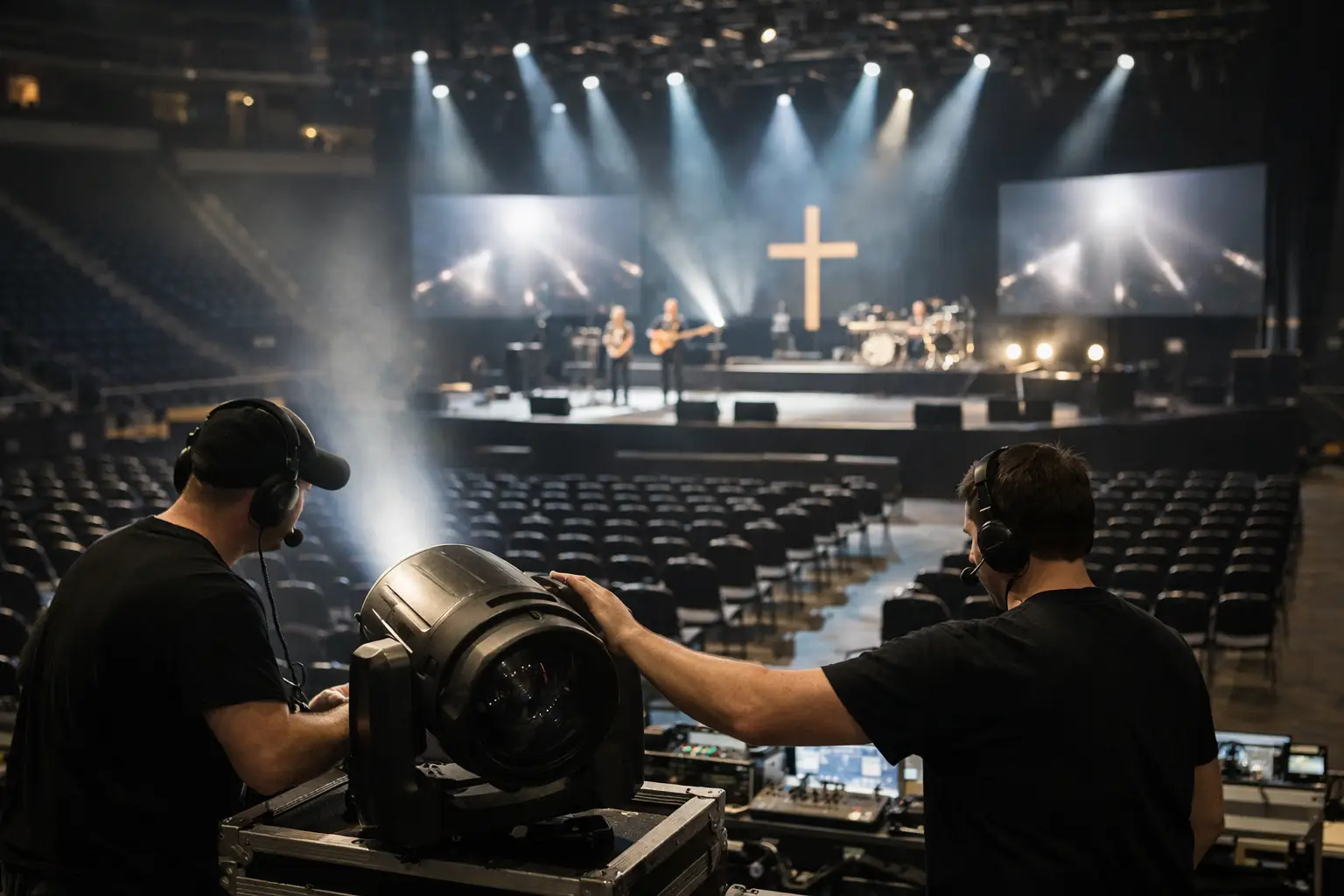
If the message cannot be heard, the rest of the setup does not matter much. Arena acoustics are rarely kind. Metal walls, open roofs, concrete, and dirt all change the way sound carries. Add wind, generators, livestock noise, or nearby traffic, and things get harder fast.
That is why clear speech matters more than big volume. Too many setups try to solve a sound problem by turning everything up. Usually that only creates echo, feedback, and listener fatigue. A better approach is thoughtful speaker placement and a microphone that keeps the preacher’s voice clean and steady.
Music needs the same kind of care. In a small covered arena, one guitar and a couple of voices may be all you need. In a larger space, instruments may need support so the congregation can follow. But if the music overpowers the room, people stop singing and start enduring it.
A short sound check is worth the time. Have someone stand in different sections of the arena and listen for weak spots, harsh spots, and dead zones. What sounds fine up front may be nearly impossible to understand in the back row.
Seating should feel welcoming, not improvised
People do not need fancy seating. They do need to know where to sit and feel like the place was prepared for them. Existing bleachers can work well, especially for rodeo families used to them, but they are not always ideal for older adults, guests with mobility issues, or families holding little ones.
If you bring in folding chairs, keep the rows organized and give people enough room to move. Leave clear walkways. Think about shaded spots if the arena is open and the weather is hot. If the service is outdoors or partly exposed, weather is not a side issue – it is part of the plan.
It also helps to avoid spreading people too thin. A half-filled arena can feel empty if the seating is stretched across too much space. Pull the congregation into a tighter area when you can. A closer crowd feels warmer, sounds stronger during singing, and makes fellowship easier after the service.
Keep the front simple and grounded
The preaching area does not need much, but what is there should have purpose. A small table, a Bible stand, a microphone, and room for musicians may be enough. If communion, baptisms, or prayer time are part of the service, leave room for that too.
This is one place where less usually says more. A clean setup fits the setting and keeps the focus where it belongs. In a rural ministry context, people can spot something overproduced in a hurry. They are not looking for polished stage design. They are looking for sincerity.
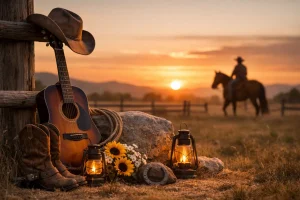
Western touches can fit naturally if they reflect the people and place. Hay bales, tack, wood elements, or ranch-style details can work, but only if they do not clutter the space or become a distraction. The setting already carries the culture. You do not have to force it.
Plan for weather, dust, and real-life interruptions
Arena ministry is not sterile, and that is part of its strength. Still, practical planning helps. Wind can blow notes, topple lightweight stands, and make hearing harder. Dust can get into equipment and make people uncomfortable. Heat can shorten attention spans. Cold can do the same.
So think ahead. Secure equipment. Have water available. If the service is in direct sun, plan around that. If rain is possible, know what changes. If livestock are nearby, be realistic about noise and timing.
Children should be considered too. Families are more likely to settle in and stay engaged when the setup makes room for family life instead of fighting it. That may mean leaving stroller access, extra aisle space, or a little margin for movement and noise.
Nobody expects arena church to feel perfect. But they do notice when it feels cared for.
Why arena church service setup matters spiritually
A good arena church service setup is not just about logistics. It is about removing needless obstacles. When people are distracted by confusion, poor sound, or a space that feels thrown together, it is harder for them to settle their hearts.
On the other hand, when the setup is thoughtful, it sends a message before the first prayer is ever spoken. It says somebody prepared for you. Somebody wanted you here. Somebody believed this place was worth turning into a place of worship.
That matters for the cowboy church community because many folks have spent years feeling like traditional church spaces were built for somebody else. Arena ministry speaks a different language. It says the gospel still meets you where you live, where you work, and where your people gather.
That is one reason ministries like Burleson Cowboy Ministries matter in rural communities. They understand that the setting is not secondary. Meeting people in arenas, barns, ranches, and outdoor grounds is part of the ministry itself. It reflects a faith that shows up in real life, not just inside a building.
The best setup serves people, not appearances
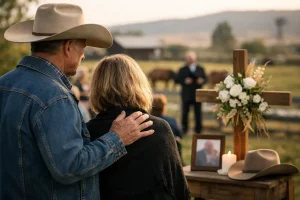
Every arena is a little different. A weekly cowboy church in a familiar local space will have different needs than a one-day outreach during a rodeo weekend. A funeral service in an arena carries a different weight than a Sunday gathering. A wedding in a barn or riding pen calls for another kind of arrangement altogether.
That is why flexibility matters. You may need to adapt for crowd size, weather, age range, or the purpose of the gathering. The best setup is not the one that looks most impressive. It is the one that helps the room come together around prayer, preaching, singing, and care for one another.
If you are setting up church in an arena, do not worry about making it look like somewhere else. Make it honest. Make it clear. Make it welcoming. Then preach the truth and trust the Lord to meet people there.
Sometimes the strongest church service of the week happens with dirt under your boots, a metal roof overhead, and a Bible open in the middle of the arena.