The difference between rodeo ministry vs chaplaincy matters most when the gates are open, the announcer is calling names, and somebody in the crowd is carrying more than anyone can see. A cowboy may need prayer before a rough stock ride. A grieving family may need someone to stand beside them after a wreck. A young hand may need a straight answer about faith, purpose, and the choices in front of him.
Both rodeo ministry and chaplaincy can bring the hope of Jesus into the arena. Both can serve people who may never walk through the doors of a traditional church. But they are not always the same calling, and knowing the difference can help a rodeo committee, cowboy church, family, or ministry leader find the right kind of support.
Rodeo Ministry vs Chaplaincy in Cowboy Country
Rodeo ministry is often built around long-term relationship. It is Christian outreach shaped for the rodeo and Western way of life, with room for preaching, prayer, Bible teaching, weddings, funerals, hospital visits, and one-on-one encouragement. It does not stop when the rodeo weekend is over.
Chaplaincy is usually a more defined role of spiritual care within an organization or event setting. A rodeo chaplain may offer prayer at a performance, make himself available to contestants and staff, respond in a crisis, and provide a steady pastoral presence at the arena. In many cases, the chaplain serves with the approval of the association, venue, school, first responder group, or rodeo committee.
The lines can overlap. One person can be both a minister and a chaplain. Still, the heart of the work may look different. Rodeo ministry tends to ask, “How can we walk with these people over time?” Chaplaincy often asks, “How can we faithfully care for people in this particular place and moment?” Both questions matter.
What Rodeo Ministry Brings to the Arena
A true rodeo ministry understands that cowboy culture is not a costume put on for a Sunday service. It is early mornings, hard work, livestock, weather, miles on the road, worn-out boots, close families, and a community that shows up when somebody is hurting. Ministry in that setting has to be honest enough to earn trust.
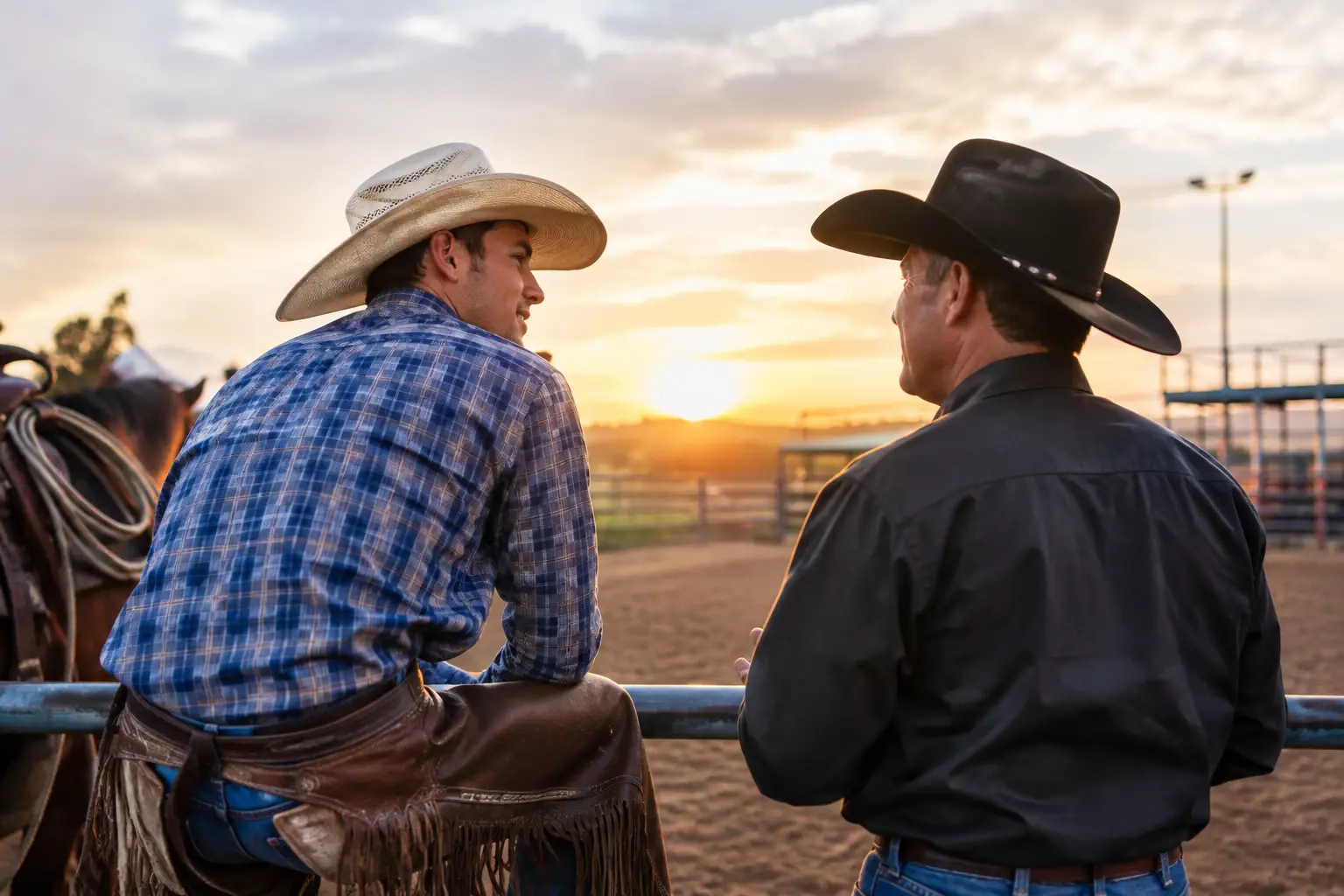
That may mean holding a cowboy church service in a barn, praying with a rider behind the chutes, preaching at an outdoor gathering, or meeting a family at a funeral home after they have lost someone they love. The location changes, but the message does not. Jesus Christ meets people where they are, calls them to faith, and stays near in the hard seasons.
Rodeo ministry also has the freedom to serve the wider circle around the competitor. Spouses, kids, ranch hands, stock contractors, pickup men, arena crews, vendors, and spectators all have burdens of their own. A ministry that remains available after the event can become a trusted place for prayer, Scripture, counsel, and pastoral care.
Ministry That Stays Past the Final Go-Round
A chaplain may be present for a rodeo weekend. A rodeo minister may be present for the next chapter of a person’s life.
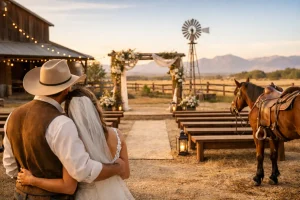
That does not make one role better than the other. It simply speaks to the kind of relationship being offered. When a couple wants a Western wedding rooted in Christian faith, when a cowboy church needs a fill-in preacher, or when a family needs a funeral service that honors both their loved one and the Lord, they often need ministry that already understands their world.
This is where personal connection matters. Folks in cowboy country can spot a borrowed accent and a shallow promise from a mile away. They do not need somebody trying to act like a cowboy. They need a servant of God who respects their heritage, speaks plain truth, and is willing to show up.
What Chaplaincy Brings to Rodeo Life
Chaplaincy brings focused spiritual care into places where people may be under pressure, in pain, or far from home. At a rodeo, that can include a quiet prayer with a contestant, a word with a worried parent, support for an injured rider, or a calm presence after an emergency.
A good chaplain serves without making the moment about himself. He listens well. He respects the rules of the event and the responsibilities of medical crews, officials, and law enforcement. He knows when to pray, when to speak Scripture, and when to simply stand beside someone who has no words left.
In organized settings, chaplaincy may also involve expectations around training, background checks, reporting procedures, confidentiality, and coordination with leadership. Those details are not a lack of faith. They are part of caring for people responsibly. The exact requirements depend on the rodeo association, facility, and type of event.
A Chaplain Is Not Just a Preacher With a Badge
Preaching is valuable, and many chaplains preach well. But chaplaincy is especially tested in personal moments. It is the call nobody wanted to make. It is the hospital hallway. It is the family gathered near the bucking chutes after an accident. It is helping people find steady ground when the day has gone sideways.
That calling requires compassion and sound judgment. A chaplain should never promise what he cannot deliver, interfere with emergency personnel, or push himself into a family’s grief. Faithful care is strong, but it is not forceful. It points people toward Christ with humility and love.
Where Rodeo Ministry and Chaplaincy Meet
At their best, both roles make room for real faith with a country heart. Both recognize that the arena can be a mission field. People who feel uncomfortable in a formal sanctuary may be willing to receive prayer at the fence line, listen to a message in a covered arena, or open a Bible at the kitchen table after a long day.
Both also understand that ministry is more than a microphone. It is consistency. It is returning a call. It is remembering a child’s name. It is being available when a family faces sickness, loss, financial strain, or a marriage under pressure. The cowboy church community takes care of its own, and Christian servants should reflect that same care.
The shared foundation must be biblical truth. Western language and rodeo roots can help ministry feel familiar, but culture alone cannot save anybody. The hope is the gospel of Jesus Christ: forgiveness of sin, new life, grace for the broken, and a Savior who does not turn away from people in the dirt and dust of real life.
Which Kind of Help Does Your Community Need?
It depends on the need in front of you. If a rodeo committee needs someone to offer an invocation, be available during the event, and provide crisis care within a defined setting, a qualified chaplain may be the best fit. Clear expectations before the event can prevent confusion later.
If a cowboy church needs a guest preacher, a ranch family wants a pastor for a funeral, or your community is looking for someone to build ongoing relationships beyond one rodeo, a traveling cowboy ministry may be the better fit. That kind of ministry can bring services and pastoral care directly to the places where people gather.
Sometimes the strongest answer is both. A local chaplain can serve the immediate needs of an event while a rodeo minister helps connect people to continuing discipleship, a cowboy church, Bible teaching, and trusted support after they leave the grounds. There is no need for competition when the goal is caring for people and pointing them to Jesus.
For leaders, the wise step is to have an honest conversation before the need becomes urgent. Ask what spiritual care is expected, who the minister serves, how emergencies will be handled, and whether follow-up support is available. A handshake still means something in cowboy country, but clear communication honors everybody involved.
Care That Reaches Beyond the Arena
The arena is a place of courage, but it is not a place where people have to carry every burden alone. Whether the need calls for chaplaincy, rodeo ministry, or both, the right servant will bring a steady presence, a listening ear, and confidence in God’s Word.
Burleson Cowboy Ministries serves with that kind of personal, mobile care – bringing biblical encouragement to arenas, ranches, cowboy churches, and families in the moments that matter. When the dust settles and the crowd has gone home, may every person who was hurting know there is still a place to turn, a community ready to care, and a Savior who has not left them behind.