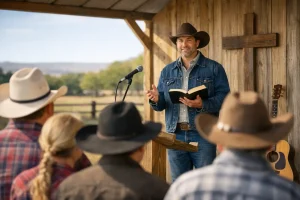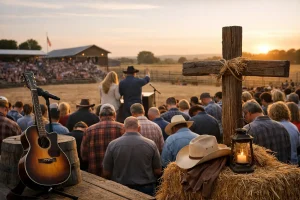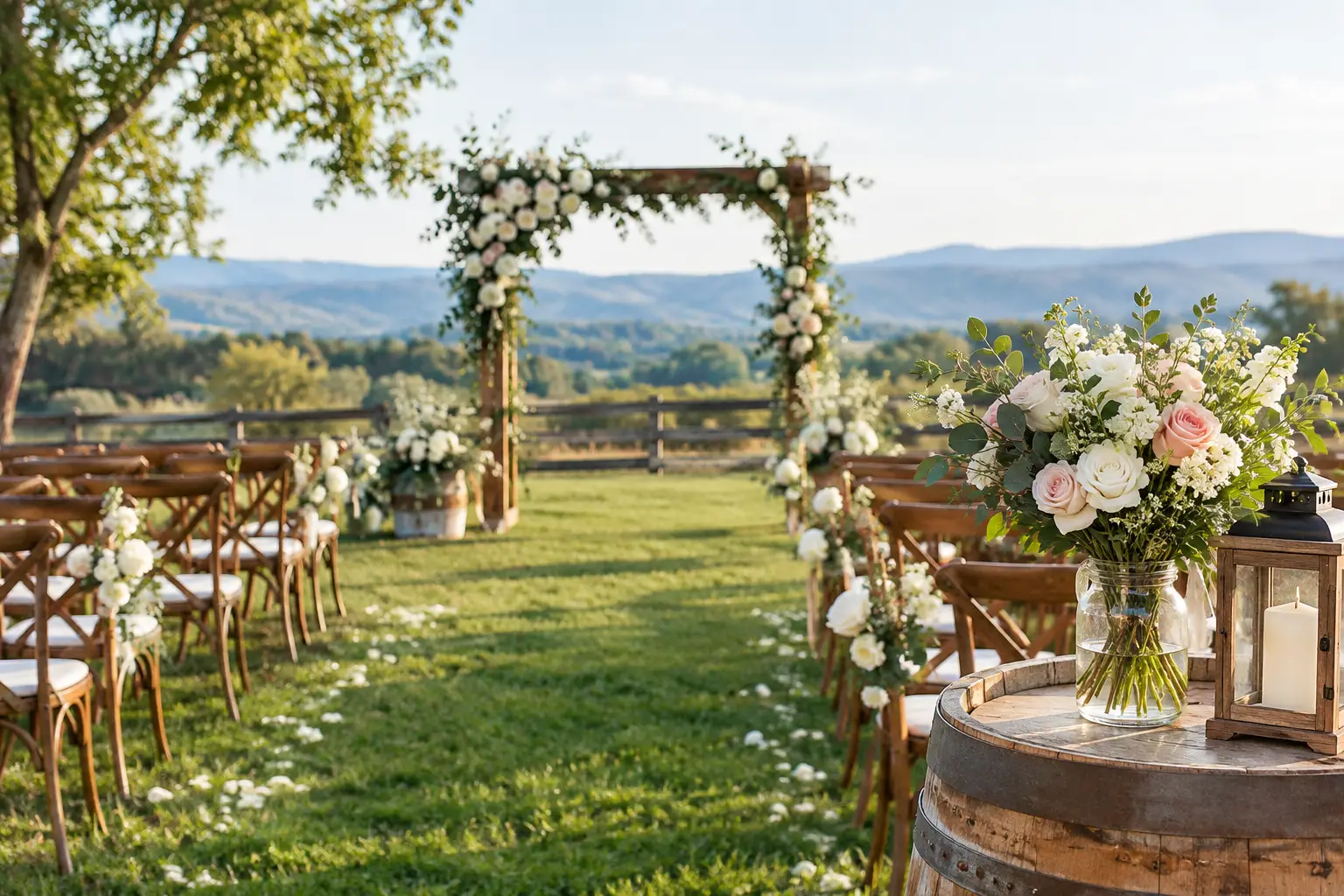
A wedding can be held beneath old oak trees, beside a barn, at the ranch house, or in a small country chapel. Wherever you say your vows, wedding ceremony costs deserve an honest conversation early on. A strong marriage is worth more than a fancy production, but good planning helps a couple begin this new chapter with peace instead of surprise bills.
The ceremony is the heart of the wedding day. It is where two people stand before God, family, and friends to make a covenant. That does not mean it has to be expensive. It does mean the details need care. The best plan is one that fits your budget, your family, and the kind of marriage you are building.
What Wedding Ceremony Costs Usually Include
When folks talk about the cost of a wedding, they often mean the whole celebration: the meal, the dance, the flowers, the photographer, and everything else. The ceremony is only one piece of that day. Separating the ceremony budget from the reception budget can make planning much clearer.
For most couples, ceremony expenses may include the marriage license, the officiant, the location, seating, sound equipment, music, decorations, and any travel or setup fees. If the ceremony is at the same place as the reception, some of those costs may already be included in the venue package. If you are getting married at a family ranch or on private land, you may save on a venue rental but need to arrange more of the practical details yourselves.
A simple ceremony at a family property can be meaningful and affordable. A larger event at a ranch venue may come with more convenience, but it can also bring charges for staffing, cleanup, insurance, parking, furniture, and extra hours. Neither choice is wrong. The right one is the one that allows you to be present for the moment instead of worried about what you owe.
The marriage license
A marriage license is a legal necessity, and the fee varies by county and state. Check with the county clerk well before your wedding date. Ask what identification is required, whether there is a waiting period, how long the license remains valid, and who must return it after the ceremony.
Do not leave this until the week of the wedding. A license is a small part of the budget, but a missed deadline can create a major headache. Keep it in a safe place, bring it to the ceremony, and make sure everyone understands who is responsible for filing it afterward.
The officiant
Your officiant is not simply another vendor on a checklist. He or she is the person guiding the vows, speaking over your new home, and helping set the spiritual tone for the ceremony. Fees can vary based on location, travel distance, rehearsal attendance, premarital meetings, and the amount of customization requested.
Some ministers charge a set fee. Others accept an honorarium, especially when they have a personal connection with the couple or their church community. It is respectful to ask plainly about expectations rather than assuming. If travel is involved, ask whether mileage, lodging, or a rehearsal fee applies.
A good officiant will also want to know more than the date and address. He may ask about your faith, your story, the kind of vows you want, and what you hope your marriage will stand for. That time has value. A ceremony should not feel rushed or copied from a script that could belong to anybody.
Country Wedding Costs Depend on the Ground You Stand On
Western weddings have their own kind of beauty. A weathered barn, a wide pasture, a horse trailer turned into a coffee bar, or a sunset behind the arena can create a setting no ballroom can copy. They also come with practical needs that are easy to overlook.
If you are using private land, think through access roads, parking, restrooms, shade, lighting, power, and a weather backup plan. An outdoor ceremony may need a generator for microphones and music. Guests may need clear directions, stable seating, and a place out of the Texas heat or an Oklahoma wind. If rain moves the ceremony indoors, make sure the backup location can hold everyone safely.
Rentals often add up quickly. Chairs, an arbor, a sound system, heaters, fans, portable restrooms, and a tent may each be reasonable on their own. Together, they can become one of the bigger parts of wedding ceremony costs. Get a written quote that lists delivery, pickup, setup, damage deposits, taxes, and late-night retrieval charges.
That said, country couples often have resources close at hand. Family members may own folding chairs, a flatbed trailer, a good sound system, or a covered shop that works beautifully with a little cleaning and care. Borrowing can save money, but be clear about who will set up, haul items, and put everything away. The couple should not be stacking chairs in wedding clothes while their guests are pulling out of the gate.
Spend Where the Moment Matters Most
A wedding budget does not have to be split evenly. Put your money toward the parts that truly matter to you and let the rest stay simple. If hearing your vows clearly matters, invest in dependable sound. If you have older grandparents attending, prioritize comfortable seating and easy access. If photographs matter most, choose a ceremony time with good natural light and leave room in the budget for a photographer who understands outdoor settings.
Music is another area where couples have choices. A guitar player singing a favorite hymn, a family member playing fiddle, or a carefully chosen recorded song can carry plenty of meaning. Live music adds warmth, but it may cost more and require sound support. Recorded music is less expensive, though someone still needs to manage the timing.
Flowers and decor can be kept honest and beautiful. Wildflowers, simple greenery, lanterns, family quilts, and a clean wooden cross can say more than a room full of expensive decorations. The goal is not to impress people for an afternoon. It is to create a setting that honors the covenant you are making.
Ask Clear Questions Before You Put Money Down
Before signing a contract or sending a deposit, ask what is included and what is extra. This is especially important with venues and rental companies, where a low starting price may not cover setup, cleanup, required insurance, security, or use of the property for a rehearsal.
Ask your officiant whether a rehearsal is recommended and whether premarital counseling or meetings are part of the process. Ask the venue how early vendors can arrive, how late guests can stay, and what happens if weather forces a change of plans. Ask every provider about cancellation terms and payment dates.
Keep those answers in writing, even when you are working with friends or relatives. Clear expectations protect relationships. In a close-knit cowboy church or ranching community, folks want to help one another. A simple agreement makes sure that generosity does not turn into confusion.
Keep the Ceremony Rooted in More Than a Budget
There is nothing wrong with wanting a beautiful wedding day. But a marriage is not measured by the size of the flower arrangement, the number of guests, or the price of the venue. It is measured over years by faithfulness, forgiveness, hard work, prayer, and a willingness to keep choosing one another when life gets rough.
Choose an officiant who will speak truth with kindness and help you prepare for the promise you are making. If you want a ceremony shaped by Scripture, country heritage, and real faith with a country heart, Burleson Cowboy Ministries can serve couples where they gather, from ranches and barns to outdoor venues.
Make the day fit your means. Leave room in your budget for the life that begins after the guests go home: a first home, a move, a hard season, a future child, or simply the freedom to start out without carrying unnecessary debt. Stand together, say your vows with all your heart, and let the commitment you make before God be the finest thing anyone remembers.