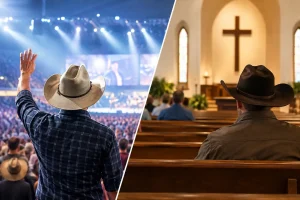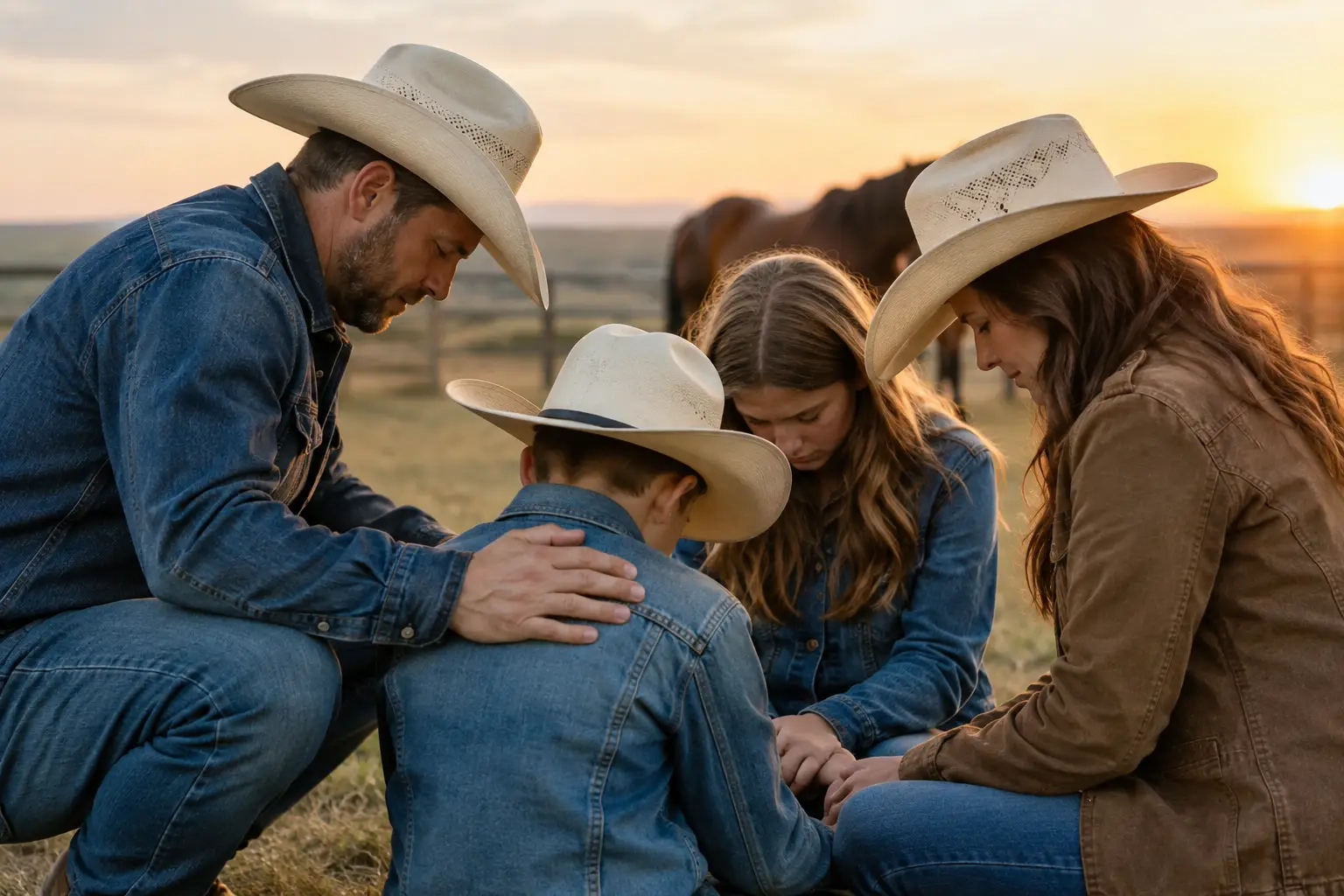
The call often comes after the cattle are fed, when the arena lights have gone dark, or when a family has received news they never expected. A good Christian pastoral care guide is not about having polished words for every situation. It is about showing up with a steady presence, an open Bible, and a willingness to walk beside people when life gets heavy.
For cowboy, ranching, and rodeo families, care has to feel real. Folks can spot a performance from a mile away. They do not need somebody talking down to them or handing them easy answers. They need a pastor, friend, or church family willing to listen, pray, tell the truth in love, and stay close after the first hard day has passed.
What Christian Pastoral Care Really Looks Like
Pastoral care is the hands-and-boots side of ministry. It is sitting at a kitchen table with a family after a loss. It is praying in a hospital waiting room, visiting a man who has pulled away from church, helping a young couple prepare for marriage, or checking on a ranch wife carrying more than she lets on.
Biblical care does not avoid the hard parts of life. Jesus wept with grieving people. He stopped for hurting people. He spoke truth to people who needed to change direction, and He offered mercy to people who thought they were beyond help. That is a solid pattern for any pastor or believer who wants to care well.
Care is not the same as trying to fix everything. Sometimes a person needs counsel. Sometimes they need a meal, a ride, or a quiet place to talk. Sometimes they need to hear that grief is not a lack of faith. Often, they need someone to remind them that the Lord is near, even when the answer is not clear.
Start With Presence Before Advice
When someone is hurting, the temptation is to fill the silence. We want to explain why trouble came, offer a quick Bible verse, or tell a story that makes the moment less uncomfortable. But pastoral care begins with listening.
Ask simple questions: “What has this been like for you?” “What do you need today?” “Would you like me to pray with you?” Then give people room to answer. A ranch hand facing an injury, a mother grieving her child, or a cowboy struggling after divorce may not be ready for a long talk. Your calm presence may say more than a sermon ever could.
That does not mean truth gets left out. It means truth is offered with patience. Scripture is not a bandage to slap over pain. It is living hope, and hope lands differently when a person knows you have taken time to hear their story.
Keep Confidence and Earn Trust
In a close-knit rural community, word travels fast. People will not open up if they fear their struggles will become coffee-shop talk or arena gossip. Keep private conversations private, except when there is a serious concern for someone’s safety or the safety of another person.
Be clear about that boundary. A pastor or trusted church leader is there to protect trust, not trade stories. When a situation involves abuse, threats of self-harm, violence, or a child in danger, immediate help from emergency services and qualified local authorities is necessary. Prayer matters deeply, and so does getting the right help quickly.
Bring Scripture With Care and Conviction
The Bible speaks plainly about suffering, sin, forgiveness, endurance, marriage, death, and hope. Pastoral care should be firmly rooted in God’s Word, but the passage should fit the moment.
At a funeral, Psalm 23, John 14, and the promise of resurrection can steady a grieving family. With someone burdened by fear, Psalm 46 or Philippians 4 may offer a place to begin. For a marriage under strain, Scripture can call both husband and wife toward honesty, faithfulness, forgiveness, and sacrificial love.
Still, it depends on the person and the moment. A man who has just lost his wife may not need a detailed explanation of suffering. He may need to hear that the Lord is close to the brokenhearted and that he does not have to carry the next hour alone. Later, when the first shock has worn off, there may be room for deeper conversation.
Do not use Bible verses to shut down honest questions. People in pain may ask, “Why did God allow this?” or “Where was God when this happened?” Those are not always signs of rebellion. They can be the cry of a wounded heart. Make room for the question, point toward the character of God, and do not pretend to know what God has not revealed.
Care for the Whole Family, Not Just the Loudest Hurt
A family crisis touches everyone differently. The person speaking the most may not be the one carrying the deepest burden. Children can go quiet. Teenagers may become angry. The strong one in the family may keep working and never admit they are running on empty.
A caring pastor checks back in with the spouse, the grandparents, the children, and the friends who are helping behind the scenes. A brief phone call after the funeral, a prayer at the gate, or a visit a few weeks later can be a powerful reminder that the church has not forgotten.
For cowboy and ranch families, practical help carries weight. During a medical emergency, somebody may need to feed horses, cover a shift, pick up kids, or bring supper to the house. The cowboy church community takes care of its own when it puts compassion into action. Those ordinary acts can make room for a hurting family to breathe.
Know When Pastoral Care Needs Added Support
A pastor can offer spiritual guidance, prayer, biblical counsel, and faithful companionship. Yet pastors are not expected to carry every need alone. Depression, addiction, trauma, severe marital conflict, and complicated grief may require a licensed counselor, physician, recovery program, or other trained professional.
A referral is not a failure of faith. It can be wise care. The best approach is often both: a qualified professional helping with the clinical or practical side, and a trusted pastor walking with the person spiritually. Encourage people to seek help without shame. Asking for help is not weakness. It is often the first honest step toward healing.
If someone talks about ending their life, do not leave them alone or assume they will be fine by morning. Contact emergency help, a crisis resource, or a trusted family member who can stay with them. Take every word seriously. Life is precious, and love acts promptly.
Give Care at Life’s Big Turning Points
Pastoral care is not only for crisis. It belongs at the milestones too. A Christian wedding is more than a ceremony in a barn, field, chapel, or ranch venue. It is a covenant before God. Premarital conversations give couples a chance to talk plainly about faith, money, family expectations, conflict, and the kind of home they want to build.
Funerals call for a different kind of care. A good pastor honors the life that was lived, speaks honestly about the hope found in Christ, and gives the family room to grieve. The service should not feel like a generic program that could fit anybody. For a rancher, rider, veteran, parent, or faithful friend, details matter. They tell the family that their loved one was seen.
Even a simple prayer before a rodeo, branding, trail ride, or community meal can be pastoral care. Ministry does not have to wait for Sunday or happen inside four walls. Real faith with a country heart meets people where they work, gather, celebrate, and hurt.
A Steady Way Forward
If you are caring for someone right now, do not worry about sounding impressive. Be faithful. Show up. Listen longer than you speak. Pray specifically. Open Scripture with humility. Follow up when everyone else has moved on.
And if you are the one carrying a hard load, let someone in. Call a pastor, a trusted believer, or a church community that understands your way of life. Burleson Cowboy Ministries believes ministry belongs wherever people need it – at the ranch, the arena, the hospital, the graveside, or around a kitchen table.
The trail can get rough, but nobody was meant to ride it alone. God often brings His comfort through the steady hands, honest prayers, and faithful presence of His people.