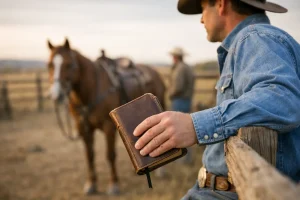
The arena is not just a place for buckles, dust, and hard work. For many folks, it is where friendships are built, families spend weekends, and people show up carrying burdens they may never bring through a church door. A guide for arena ministry starts with that truth: God can meet people right where they gather, whether it is beside the chutes, under a livestock pavilion, or in the stands after the last run.
Arena ministry is not about trying to turn a rodeo into something it is not. It is about bringing real faith with a country heart into the places already woven into the life of the cowboy church community. When it is handled with respect, prayer, and common sense, an arena service can offer a clear word from Scripture and a place for people to be known.
Start With Relationships, Not a Microphone
The strongest arena ministry usually begins long before anyone sets up chairs or sound equipment. It starts with a conversation with the arena owner, event producer, rodeo secretary, stock contractor, or local families who keep the place running. They know the schedule, the unwritten rules, and the needs of the people who come through those gates.
Ask what would genuinely serve the event. A short prayer before the rodeo may fit better than a full service. A Sunday morning cowboy church gathering might be welcomed at a weekend jackpot or playday. At another arena, a chaplain may need to be available quietly for prayer during a difficult situation rather than leading from the announcer stand.
Trust is earned by showing up, listening, and keeping your word. Do not make promises about attendance, timing, or equipment that you cannot keep. Folks in the ranching and rodeo world recognize sincerity quickly. They also recognize when somebody is only there for a stage.
Know the Purpose of the Gathering
A ministry team should be clear about why it is gathering people. The purpose is not to compete with the event or pull attention away from the work already being done. It is to create an honest opportunity for worship, Scripture, prayer, and fellowship.
That purpose shapes every decision. If you have fifteen minutes before a youth rodeo begins, keep the message short, warm, and rooted in the Bible. If you are holding a scheduled Sunday service, there may be room for music, testimony, preaching, and personal prayer afterward. The setting may be casual, but the care taken with God’s Word should never be casual.
A good message for an arena is plainspoken and specific. Talk about faithfulness when the work is hard. Talk about forgiveness, grief, family strain, fear, and the hope found in Jesus Christ. Use the language people understand, but do not water down the truth to make it easier to hear.
A Guide for Arena Ministry Planning
Planning matters because arena life can change fast. Weather shifts, livestock schedules move, trailers get stuck, and an event that was supposed to start at noon may not get rolling until much later. Build a ministry plan that can bend without breaking.
Choose a location that does not interfere with competitors, horses, cattle, traffic flow, or emergency access. A covered area, bleachers, warm-up pen edge, barn aisle, or shaded spot near trailers may work depending on the property. Make sure the arena owner approves the location before announcing anything.
Sound is another practical concern. A small portable speaker may be enough for a handful of people in a barn, while a larger outdoor gathering may need a sound system that can be heard above generators, horses, and arena noise. Test equipment early. Keep the setup simple. If the microphone quits, the ministry should still be able to continue.
Have a weather backup plan. In Texas and Oklahoma, a clear morning can turn into wind, rain, or lightning by afternoon. Know where people can gather safely, and be willing to shorten or reschedule when conditions call for it. No service schedule is worth putting families, animals, or volunteers at risk.
Make Everyone Feel Welcome
An arena ministry should feel open to the old hand who has been around livestock his whole life, the young barrel racer, the family in the cheap seats, and the person who has not attended church in years. Avoid insider language that makes newcomers feel as if they need a certain background to belong.
Welcome people as they are. Some will come in boots and hats. Others may come straight from work, wearing dusty jeans or coveralls. A child may be restless. Someone may need to step away to check on a horse or help load equipment. That is part of ministry in a working environment, not a disruption to be scolded.
At the same time, hospitality needs order. Have someone available to greet people, point them toward seating, answer simple questions, and help those who want prayer after the service. If children are present, make sure parents know where they are expected to stay and who is responsible for them.
Put Safety and Respect on the Same Level as Hospitality
A warm welcome is not enough if the gathering is poorly organized. Keep pathways open and stay out of active livestock areas unless you have permission and proper supervision. Do not allow children to wander near trailers, horses, chutes, or equipment while adults are distracted by the service.
If food or coffee is offered, place it where it will not create a crowd in a traffic area. Keep a first-aid kit nearby. Know who to contact in an emergency and where the nearest access point is for medical help. These details may not sound spiritual, but caring for people well is part of the calling.
Respect also means honoring the arena’s rules. If an owner asks that the service end by a certain time, end on time. If alcohol is being served at an event, do not pick a fight from the microphone. Keep the ministry centered on Christ, stay aware of the environment, and use wisdom about what is appropriate for that gathering.
Let the Service Fit the Setting
Arena ministry works best when it is prepared but not overproduced. A Bible, a clear message, a few songs people can sing, and time for prayer can be more meaningful than a complicated program. The goal is not to impress people. The goal is to faithfully point them to Jesus.
Music should support the message, not take over the whole gathering. Familiar hymns, country gospel, or a simple acoustic worship set can work well when led with humility. If there is no musician, reading Scripture and praying together is still a real service. Do not cancel ministry because every detail is not polished.
Personal testimonies can be powerful in this setting, especially when they are honest and brief. A testimony about God’s faithfulness through injury, loss, addiction, financial hardship, or family trouble may reach someone who would not connect with a formal sermon. Still, keep the focus on what Christ has done, not on building up the speaker.
Be Ready for Real Needs After the Prayer
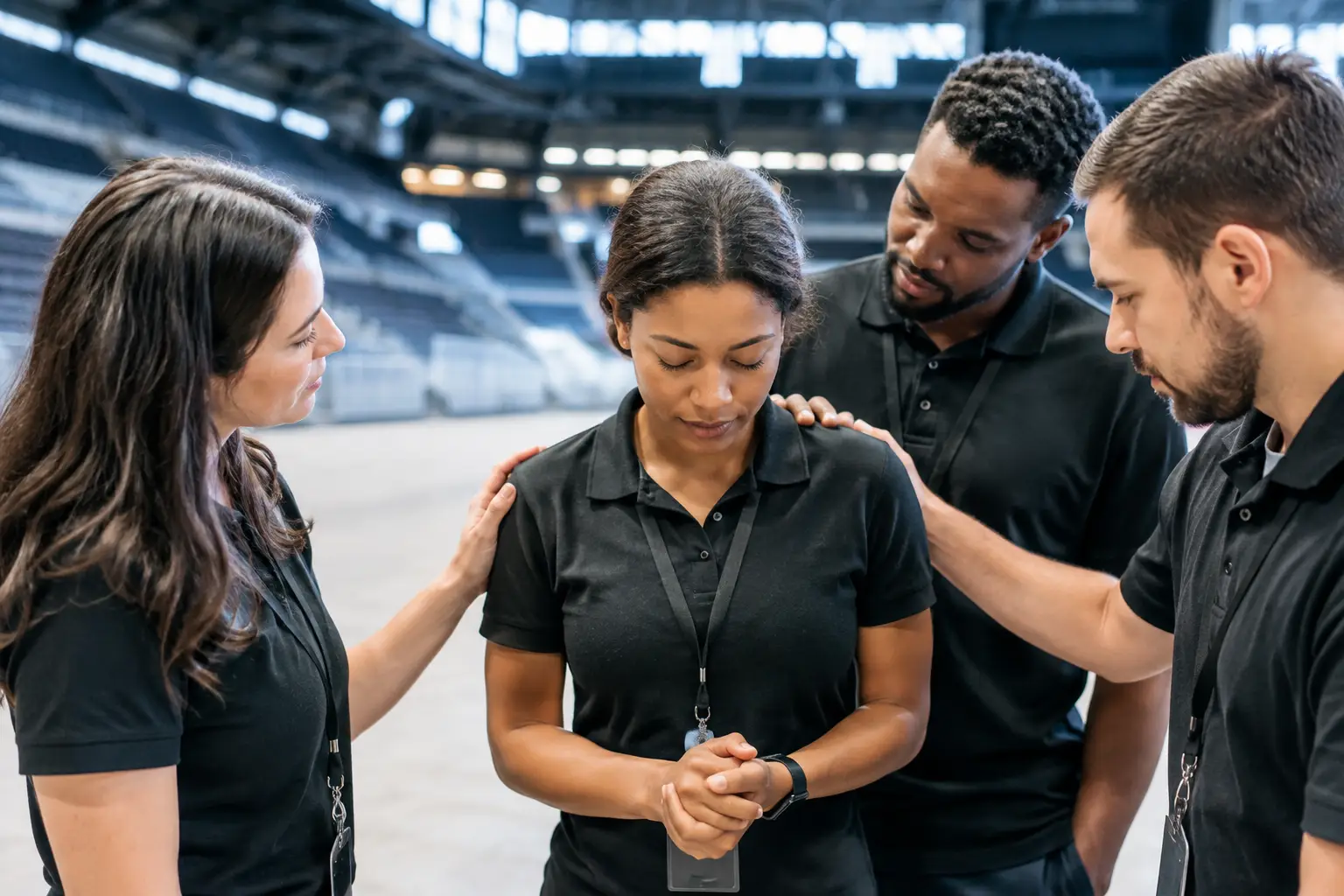
The ministry often begins after the closing prayer. Someone may ask for prayer over a sick child, a broken marriage, a struggling teenager, or a family grieving a loss. Another person may simply stand nearby, unsure how to ask for help. Do not rush to pack up and leave.
Have mature believers available to pray one-on-one, listen without gossip, and offer biblical encouragement. When a need is beyond what a volunteer can handle, such as a crisis involving abuse, self-harm, addiction, or immediate danger, take it seriously and help connect that person with proper local support. Compassion does not mean trying to carry every situation alone.
Follow-up matters, but it must be respectful. Ask permission before collecting a phone number or reaching out later. A simple call, prayer, or invitation to a local cowboy church can remind someone that the care they received was not just a passing moment.
Build a Ministry That Can Keep Showing Up
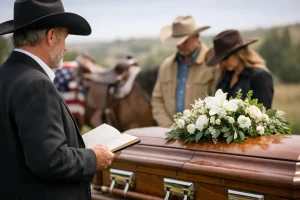
One arena service can plant a seed. Consistent ministry is what often builds trust. That may mean returning monthly, praying at the same annual event, offering a short devotion before practice nights, or being available when a family in the community faces a funeral or hardship.
Consistency does not require a large crew. It requires dependable people who love the Lord, respect the culture, and understand that serving behind the scenes matters. The person setting up chairs, bringing water, helping a child find their parent, or quietly praying with a grieving cowboy is doing ministry too.
There will be days when only a few people attend. There will be days when the schedule gets changed and the service becomes a five-minute prayer near the fence. Faithfulness is not measured only by crowd size. Plant the seed, speak the truth with love, and trust God with what grows.
When you bring the Word of God into an arena with humility and a servant’s heart, you are reminding people that no one has to clean themselves up before they come near Jesus. Sometimes the most needed message in the whole place is a steady voice saying, “You are welcome here. Let’s pray.”