When a ranching family loses someone, grief does not pause the chores, the cattle, or the miles between neighbors. A good guide to rural funeral planning has to make room for all of that – the heartache, the logistics, the faith, and the kind of gathering that feels true to the life that was lived.
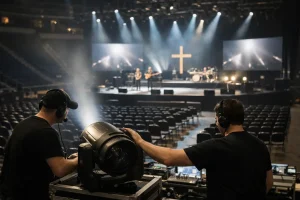
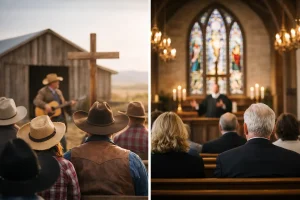
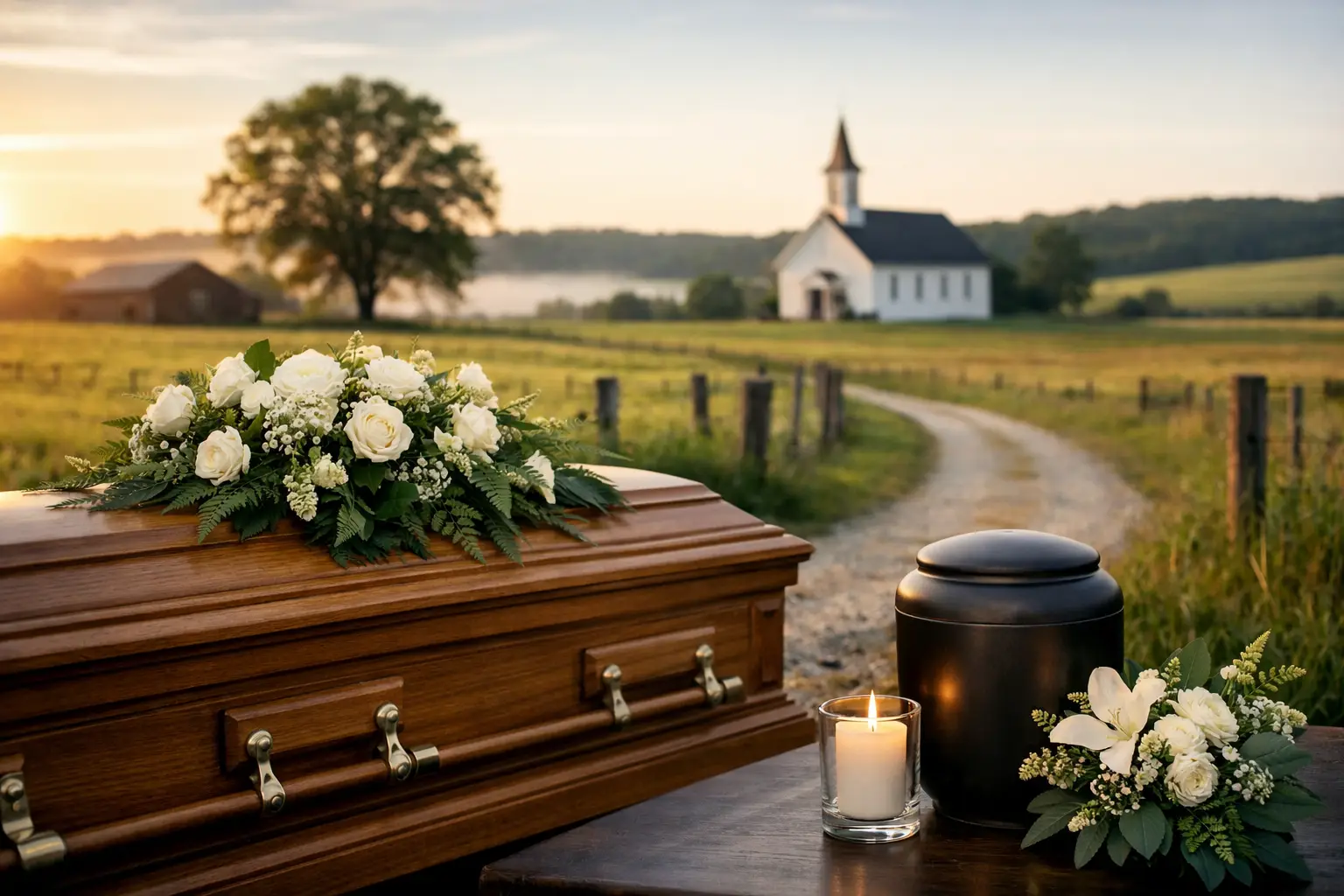
In small towns and open country, funeral planning often looks different than it does in the city. The service may be held in a church, but it may also happen in a barn, under an arena roof, at a family property, or in a community space where everybody knows the story behind the boots by the door. That is not second best. For many families, that is exactly right.
Why rural funeral planning needs a different approach
Rural families usually carry a few extra burdens during loss. Travel is one of them. Loved ones may be coming in from different counties or different states, and even local folks may be driving a long way on farm roads to attend. Timing matters more, directions matter more, and communication needs to be clear.
There is also the question of lifestyle. On a ranch or around livestock, work still has to be done. During funeral week, families are often grieving while also feeding animals, covering responsibilities, and making practical decisions fast. That means the best plans are not fancy. They are steady, respectful, and workable.
Faith and heritage matter too. Many country families do not want a service that feels stiff, generic, or detached from who their loved one really was. If a man spent his life in the saddle, around cattle, at the rodeo, or serving his family with quiet strength, the service should reflect that life honestly. A rural funeral can be deeply dignified without losing its country soul.
A guide to rural funeral planning that starts with the right questions
The first step is not choosing flowers or printing programs. It is asking what kind of service would best honor the person and serve the family.
Start with three plain questions. Was your loved one someone who would have wanted a church service, a graveside service, or something held on family land? Did they have a clear Christian testimony or favorite Scriptures that should shape the message? And what kind of gathering will help the family grieve well – quiet and simple, or open and community-centered?
Those answers set the tone for everything else. Some families need a small graveside moment with close kin and a meal afterward at the fellowship hall. Others need room for a larger crowd from the ranching, rodeo, and cowboy church community. Neither choice is more faithful than the other. It depends on the family, the person being remembered, and the realities on the ground.
Choosing the place
In rural communities, the location carries weight. A local church may be the natural choice, especially if the deceased was known there. A graveside service can also be meaningful when families want simplicity and less pressure. In some cases, a ranch, arena, or barn is the right setting because it reflects the person’s life better than any formal venue could.
If you choose a nontraditional location, think through the practical side early. Seating, sound, parking, weather, restroom access, and directions all matter. Country people are used to making do, but guests still need a clear path to participate without confusion. If older family members are attending, ground conditions and walking distance deserve extra thought.
Choosing the minister or speaker
This matters more than many people realize. The right minister should be able to handle Scripture faithfully, care for hurting people, and speak in a way that feels natural to the family and community. A rural funeral is not the place for polished language that sounds borrowed. It needs truth, compassion, and a steady hand.
If your loved one was part of the cowboy church world or simply more at home around dirt roads than church hallways, it can help to choose someone who understands that culture. A minister who knows how to speak to ranch families, rodeo hands, and rural neighbors can bring comfort without forcing the service into a mold that does not fit.
What to decide early in the planning process
After the location and minister are set, the next decisions come easier. You will need to settle the date and time, coordinate with the funeral home if one is involved, and decide whether the service includes visitation, a meal, a burial, or all three.
Music is often personal in country families. Some choose hymns that have carried them for years. Others include a favorite gospel song, a recording, or simple live music. The main thing is that the music supports the moment instead of turning it into a performance.
You will also want to think about who should speak. Sometimes one or two short reflections from family or close friends mean more than a long line of speakers. Grief can make public speaking harder than expected, so it is wise to ask people early and let them know brief, heartfelt words are enough.
Photos, tack, hats, ropes, buckles, Bibles, and work gear can all be meaningful touches if they truly represent the person’s life. The key is restraint. A few honest details often say more than an overbuilt display.
Rural logistics that families should not overlook
A guide to rural funeral planning should deal with the nuts and bolts too, because kindness often shows up in preparation.
If the service is outside town, send clear directions with landmarks, not just an address. Cell service may be weak, and map apps are not always dependable on back roads. If the entrance is easy to miss, have someone place signs or stand near the road to guide people in.
Weather is another big factor. Wind, heat, mud, and cold can change the whole feel of a service. It helps to have a backup plan for shelter, extra water in warm months, and enough shade or cover for older guests. If the service is outdoors, a short service is often kinder than a long one.
Food and fellowship matter in rural communities. After the formal service, many families want a meal where stories can be told and burdens shared. That gathering is not secondary. For a lot of folks, that is where comfort begins to settle in. Church ladies, neighbors, ranch friends, and extended family often step in here, and that support is part of the ministry of a funeral.
There is also the question of work left waiting at home. Families should not be afraid to let others help with livestock, hauling, meals, or errands during funeral week. In country communities, people usually want to help. Give them a real job to do.
Keeping the service faith-filled and personal
For Christian families, the strongest rural funerals do not try to hide grief, and they do not pretend death gets the last word either. They make room for tears while still pointing people to the hope found in Christ.
That means the message should be biblical and personal. It should honor the person’s life without turning the service into mere storytelling. A faithful funeral remembers the character, labor, and love of the one who has passed, but it also speaks plainly about eternity, mercy, and the comfort of God for those left behind.
If children and grandchildren are part of the service, simple participation can be meaningful. A reading of Scripture, carrying a hat, sharing a photo board, or helping greet guests may help them feel included instead of pushed to the side of grief.
For some families, this is also a chance to reconnect with the wider community of faith. A ministry that understands country life can help shoulder not only the service itself but the spiritual weight of the moment. That is one reason families across ranching and rodeo circles often look for support that feels both biblical and culturally familiar, the kind of care Burleson Cowboy Ministries is built around.
When simple is better
Not every rural funeral needs a big turnout, printed materials, or a long schedule. Sometimes the most fitting service is a graveside prayer, a few Scriptures, a hymn, and the voices of people who knew the deceased well. If the family is exhausted, finances are tight, or the loved one would have wanted no fuss, simple can be deeply honorable.
The real measure is not how much was arranged. It is whether the service told the truth about the person, cared for the family, and lifted weary hearts toward the Lord.
If you are planning a funeral in the country, give yourself permission to choose what fits your people. Let the setting be honest. Let the message be faithful. Let the community help. And when the week feels too heavy to carry, remember this – the same God who walked with your loved one through every dry season and green pasture will meet your family here too.