A good guide to rural pastoral care starts with a simple truth: folks in the country do not always ask for help in a polished way. They may say they are fine while carrying a sick spouse, a struggling child, a drought-stressed operation, or grief that has followed them home from the funeral. Real pastoral care notices the weight, pulls up a chair, and stays long enough to listen.
For cowboy, ranching, rodeo, and small-town families, ministry has to meet people where life is actually happening. That may be a barn aisle before daylight, a hospital room two counties over, an arena on a Saturday night, a kitchen table after a wreck, or a graveside under a wide Texas sky. The setting may be country, but the needs are as old as Scripture: people need hope, truth, prayer, and someone who will remind them they are not walking alone.
What Rural Pastoral Care Really Means
Pastoral care is more than preaching a Sunday message. Preaching matters, but care happens in the spaces between services. It is checking on the widow after the crowd has gone home. It is praying with the ranch hand who has not been in church for years but knows he needs God. It is sitting quietly with a family when there are no easy words to offer.
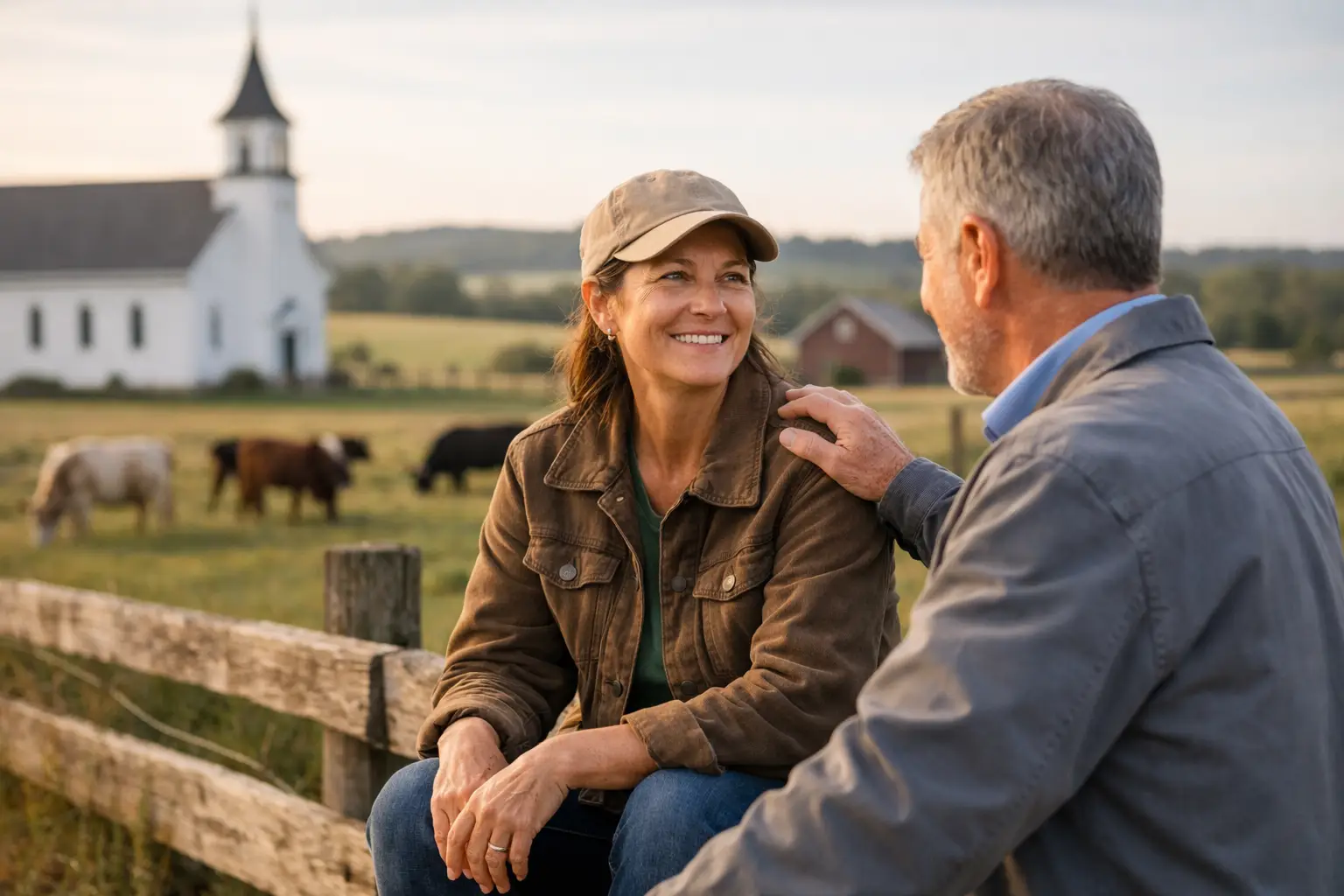
Rural communities often carry a strong sense of independence. That is part of the good heritage of country life. People work hard, keep their word, help a neighbor mend fence, and show up when there is trouble. But independence can also make it hard to admit when the load is too heavy. A pastor, ministry leader, or trusted believer has to make care feel like a hand extended, not a spotlight pointed at someone’s pain.
Biblical pastoral care does not mean having an answer for every hard question. It means bringing people back to the One who is faithful when the ground feels unsteady. Sometimes that comes through a clear Scripture. Sometimes it comes through a prayer spoken in the cab of a pickup. Sometimes the most faithful thing a minister can do is listen without rushing the hurt.
A Guide to Rural Pastoral Care Built on Trust
Trust is earned slowly in rural communities. Folks usually know whether someone is genuine before they ever hear them preach. They notice who returns a phone call, who keeps a commitment, who speaks with respect at a funeral, and who is willing to travel a few miles when a family is in need.
That means pastoral care cannot be built only around office hours or a church building. A country pastor needs to be present in the community without putting on a show. Attend the local rodeo. Visit when someone is in the hospital. Be available after a storm, a fire, an injury, or a loss. Learn people’s names, ask about their families, and remember what they told you last time.
There is a balance here. Being available does not mean a pastor must carry every burden alone or be on call every hour of every day. Healthy boundaries protect both the minister and the people being served. The goal is not to become everybody’s savior. Jesus already holds that place. The goal is to be a dependable shepherd who points people toward Him.
Speak Plainly, but Speak Scripture
Country people do not need fancy religious talk to understand the gospel. They need truth spoken clearly and with love. When a marriage is strained, when a young person is drifting, or when a family is facing death, plain words carry weight.
That does not mean watering down biblical conviction. It means saying what the Bible says in a way that reaches the heart. A hard-working cowboy may not connect with a polished speech, but he understands faithfulness, sacrifice, mercy, and staying in the saddle through rough ground. Those are real bridges for sharing God’s Word, as long as the message remains centered on Christ rather than country culture alone.
Western heritage can open a door, but Jesus is the reason for the ministry. That distinction matters. A cowboy church or traveling ministry should feel familiar to the people it serves, while still calling them to repentance, grace, obedience, and a living relationship with the Lord.
Show Up for Life’s Big Moments
Weddings, funerals, hospital visits, and family crises are not side work in ministry. They are sacred ground. People remember who stood with them when a loved one died, when a child was born, when vows were made, or when fear came knocking at the door.
At a country wedding, pastoral care begins before the ceremony. Take time to know the couple. Hear their story. Encourage them to build a marriage that can hold through lean seasons, long workdays, and disagreements. A Western wedding can have boots, barns, horses, and wide-open country all around it, but the foundation still needs to be Christ.
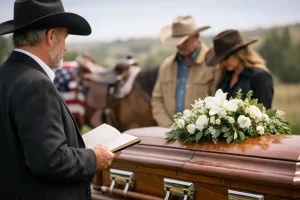
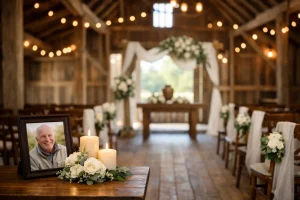
At a funeral, families need more than a few kind phrases. They need a minister who honors the life that was lived without making promises Scripture does not make. A good funeral message tells the truth about loss, offers the hope found in Jesus, and gives grieving people room to weep. Especially in ranching and rodeo families, stories matter. Mentioning a person’s work ethic, loyalty, faith, and love for family can bring comfort because it says, “Their life was seen.”
Hospital and crisis visits call for the same steady presence. Do not feel pressured to fill every silence. Read a short passage. Pray specifically. Ask what the family needs right now. If they need a meal train, help contacting others, or simply a private moment, respect that need. Care is often practical before it is eloquent.
Care for People Who Rarely Ask
Some of the people who need ministry most will never walk through the church door first. They may be working cattle on Sunday morning, traveling to rodeos, caring for an aging parent, or carrying old wounds from church experiences that were anything but kind.
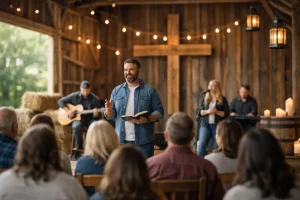
That is why mobile ministry matters. Bringing a service, Bible study, prayer time, or pastoral conversation to a ranch, arena, outdoor gathering, or community event can remove a barrier without compromising the message. It tells people they do not have to clean themselves up or learn church language before they can hear from God.
A ministry like Burleson Cowboy Ministries understands that the cowboy church community takes care of its own. Still, caring for your own cannot become a closed circle. Keep looking for the new hand in town, the family sitting quietly at the back, the rodeo kid who has questions, and the neighbor who has stopped coming around since loss hit home.
Know When More Help Is Needed
Prayer and biblical counsel are powerful, but pastoral care also requires wisdom. There are times when a person needs professional help alongside spiritual support. Severe depression, addiction, domestic violence, threats of self-harm, abuse, and traumatic grief should never be handled casually.
A pastor can listen, pray, and remain present while helping connect someone with qualified medical, mental health, legal, or emergency support. Referring someone for specialized care is not a lack of faith. It is responsible love. The church can walk beside people through treatment, recovery, court dates, and difficult decisions without pretending those needs can be solved by one conversation.
Build a Culture Where People Carry Each Other
The strongest rural pastoral care does not rest on one preacher’s shoulders. It grows when a congregation learns to notice, pray, serve, and follow through. That may look like a ranch family taking food to someone after surgery, a few men helping repair a widow’s fence, or church members making sure a grieving family is not alone after the funeral week has passed.
Leaders can help shape that culture by speaking openly about compassion from the pulpit and practicing it in private. When people see their pastor visit the sick, honor the brokenhearted, and treat every person with dignity, they learn that faith is not just something said on Sunday. It is lived in the way a community handles one another’s burdens.
Do not overlook the value of simple habits. Keep a prayer list. Follow up after a hard conversation. Send a note when a family is hurting. Ask again about the problem they mentioned last month. In rural life, where miles can be long and schedules can be demanding, consistency speaks louder than a grand gesture.
The next time someone says, “I’m doing okay,” listen for what may be underneath the words. Make the call. Stop by when you can. Open the Bible, offer prayer, and let them know they have not been forgotten. That is real faith with a country heart – steady enough to show up when the road is rough.