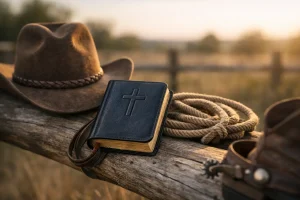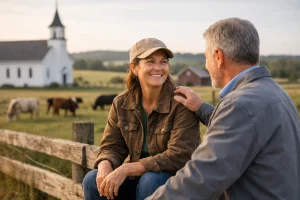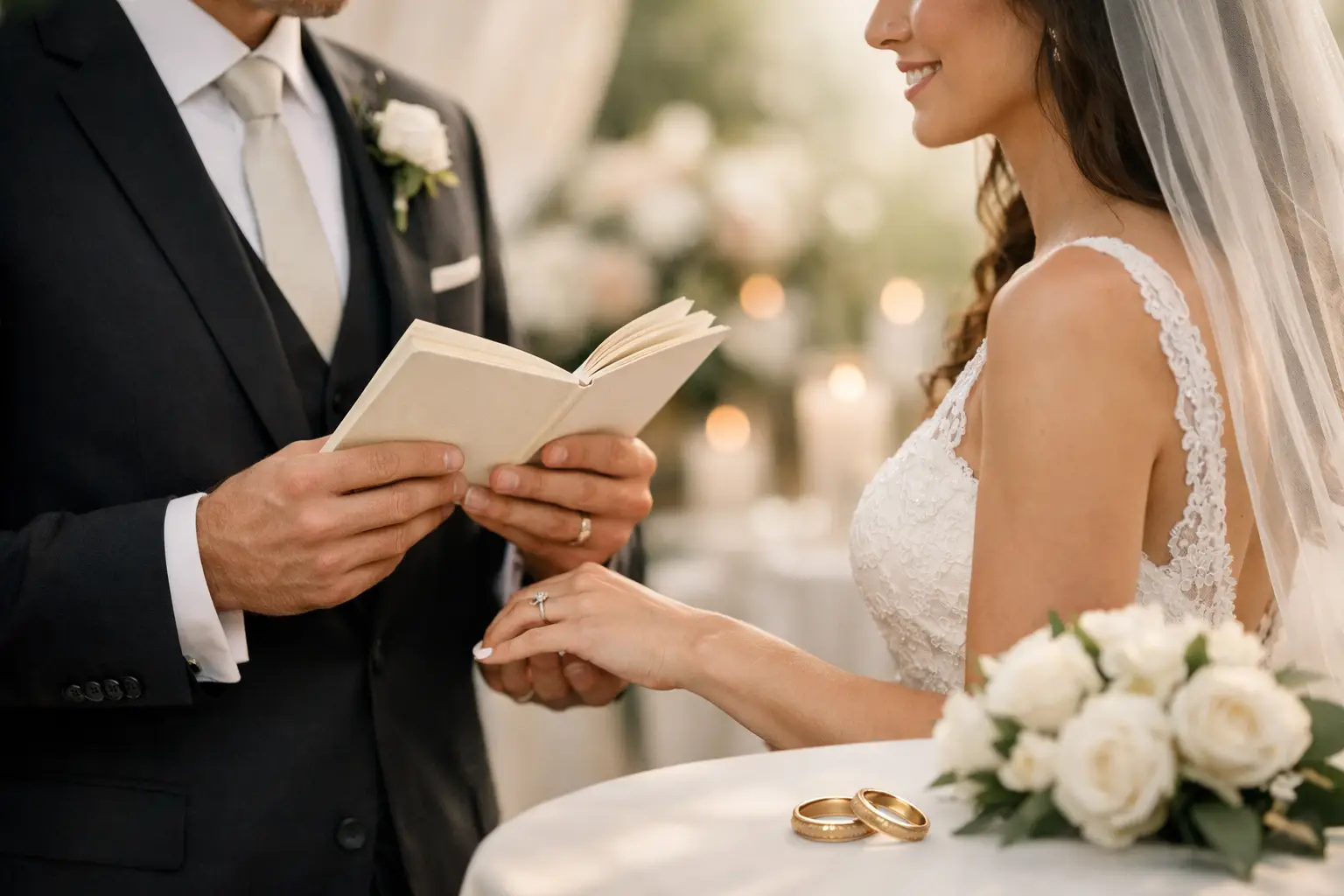
When a couple stands up at a ranch, in a barn, under an open Texas sky, or beside a weathered fence line, the vows ought to sound like they belong there. A good guide to western wedding vows is not about making the ceremony fancy. It is about helping a man and woman speak honest words before God, their family, and the folks who have ridden through life with them.
Western wedding vows carry a little different weight because they often come from people who value plain truth over polished language. In cowboy and ranching culture, words still mean something. If you say you will stay, work, protect, love, and remain faithful, that is not poetry for the sake of the moment. That is a promise meant to hold when times are lean, when calves are getting out, when money is tight, or when life turns hard in ways nobody planned.
What makes western wedding vows different
The heart of western wedding vows is not a cowboy hat, boots, or a venue with hay bales. Those details can be meaningful, but they are not the center. What makes the vows feel western is their honesty, simplicity, and sense of covenant. They sound like real people talking, not actors reading a script.
For some couples, that means using traditional vows with just a touch of country character. For others, it means writing custom promises that reflect ranch life, rodeo roots, hard work, loyalty, and a shared Christian faith. Either way, the best vows still need to do the same job any good wedding vow should do. They should clearly promise lifelong love, faithfulness, honor, and commitment.
That matters because sometimes couples lean so hard into the theme that the vows stop sounding sacred and start sounding gimmicky. A western wedding can absolutely reflect your way of life, but the promise itself should stay bigger than the décor. The setting may be country, but the covenant is holy.
A faith-based guide to western wedding vows
If you want vows that fit a Christian western wedding, start with the truth that marriage is more than romance. Scripture presents marriage as a covenant before God. That means your vows are not just about how you feel on your wedding day. They are about what you choose to do with God’s help for the rest of your life.
In a faith-centered ceremony, western language works best when it supports that truth instead of replacing it. Promising to ride together through every season can be beautiful. So can promising to stand side by side when the trail gets rough. But those lines carry more strength when they are tied to biblical commitment, sacrificial love, forgiveness, and faithfulness.
A husband might promise to lead with humility, protect with strength, and love his wife as Christ loves. A wife might promise to honor, support, and walk in faith beside her husband. Both can promise to pray together, endure hardship together, and build a home rooted in the Lord. Those words feel natural in a western setting because they reflect the values many country families already live by – loyalty, grit, service, and trust in God.
Should you write your own vows or keep them traditional?
It depends on the couple. Some folks are deeply comfortable speaking from the heart. Others would rather not risk rambling, freezing up, or saying something that sounds better in private than it does in a ceremony.
Traditional vows are steady for a reason. They are clear, time-tested, and focused on the covenant itself. If you are nervous, if you want the ceremony to feel reverent, or if you do not want emotion to carry you off course, traditional vows may be the best fit. You can still keep the wedding western through the setting, music, clothing, and a short personal note elsewhere in the ceremony.
Custom vows are a good choice when you want the words to reflect your story in a personal way. Maybe you met through rodeo, grew up in neighboring ranching families, or built your relationship around shared faith and hard work. In that case, writing your own vows can bring warmth and authenticity.
Still, custom does not always mean better. The trade-off is that personal vows can become too casual, too long, or too focused on memories instead of promises. A good rule is simple: if you write your own vows, make sure they still sound like vows. Not a speech. Not a thank-you note. Not a list of inside jokes.
How to write vows that feel western without sounding forced
Start with the promises you actually mean to keep. That is the backbone. Before you think about style, decide what you are pledging. Love, faithfulness, patience, honesty, prayer, respect, and endurance belong in almost every Christian marriage vow.
Next, think about the life you are building together. If your world includes livestock, long workdays, travel for rodeo, early mornings, dusty roads, and deep roots in family and faith, it is natural for your vows to reflect that. The key is to use that language in a way that still sounds sincere. One or two western images can say more than ten overworked phrases.
For example, saying, “I promise to stand by you through every season God gives us” feels grounded and true. Saying, “I promise to be your favorite cowboy forever and ever” may get a laugh, but it can weaken the seriousness of the moment unless that tone truly fits the couple and ceremony.
Keep your vows long enough to feel meaningful but short enough to stay strong. Most custom vows work best when each person speaks for about one to two minutes. That gives you room for depth without losing people or drifting off point.
Words and themes that fit a western wedding
A strong guide to western wedding vows should help couples choose language that feels natural. Good themes for western vows often include faith, home, loyalty, steadfast love, hard work, partnership, and staying true through changing seasons.
Words like honor, cherish, endure, protect, trust, pray, and walk beside each other fit well because they carry both biblical meaning and country plainspokenness. So do images of home, land, weather, seasons, and the trail ahead. Used carefully, those ideas can give the vows texture without taking over.
What usually does not age well is language that leans too heavily on performance or stereotype. If every line sounds like it came from a novelty wedding sign, the moment loses its weight. Your vows should sound like you on your best and most honest day, not like a costume.
Sample western wedding vow wording
If you want a simple starting point, here is the kind of wording that often fits a Christian western ceremony:
“I take you before God as my husband or wife, to love you, honor you, and remain faithful to you through every season of life. I promise to stand beside you in joy and hardship, to pray with you, to work alongside you, and to build a home with you that honors the Lord. With God’s help, I give you my heart and my life, and I promise to walk with you faithfully from this day forward.”
That kind of vow works because it is steady, understandable, and rooted in covenant. It also leaves room for a couple to add one personal line about their shared life, family heritage, or the road ahead.
Common mistakes couples make
One common mistake is trying to impress people. Wedding vows are not the place to prove you are witty, dramatic, or extra creative. If the words are true, they do not need much dressing up.
Another mistake is making vows too private to be understood. A few personal details are fine, but if half the vow depends on stories only the two of you know, the promise can get lost. The gathered community is there to witness your covenant, so the words need to be clear enough to hear and remember.
A third mistake is leaving God out of a wedding that is supposed to be faith-centered. If your marriage is meant to be built on Christ, that should be heard in the promises. Not in a forced way, but in a real one.
For couples planning a western ceremony with pastoral support, Burleson Cowboy Ministries understands that balance. The ceremony can feel country, personal, and deeply reverent all at once.
Let the vows sound like your life and your faith
The best western wedding vows are not the flashiest ones. They are the ones that sound true when the crowd goes quiet. They fit the land, the people, and the God-honoring commitment being made that day.
If you are writing your vows now, do not chase perfect wording. Aim for honest promises, spoken with humility and conviction. Years from now, what will matter most is not whether the vows sounded clever. It will be whether they still ring true when life gets dusty, beautiful, tiring, and blessed all at once.
That is what good vows are for – not just the wedding day, but the marriage that starts after the chairs are folded and the lights go out.