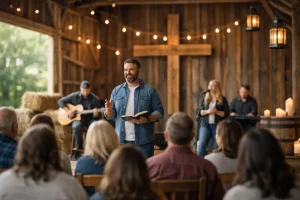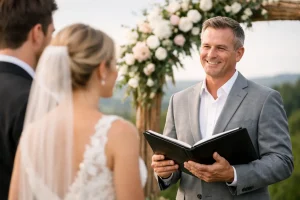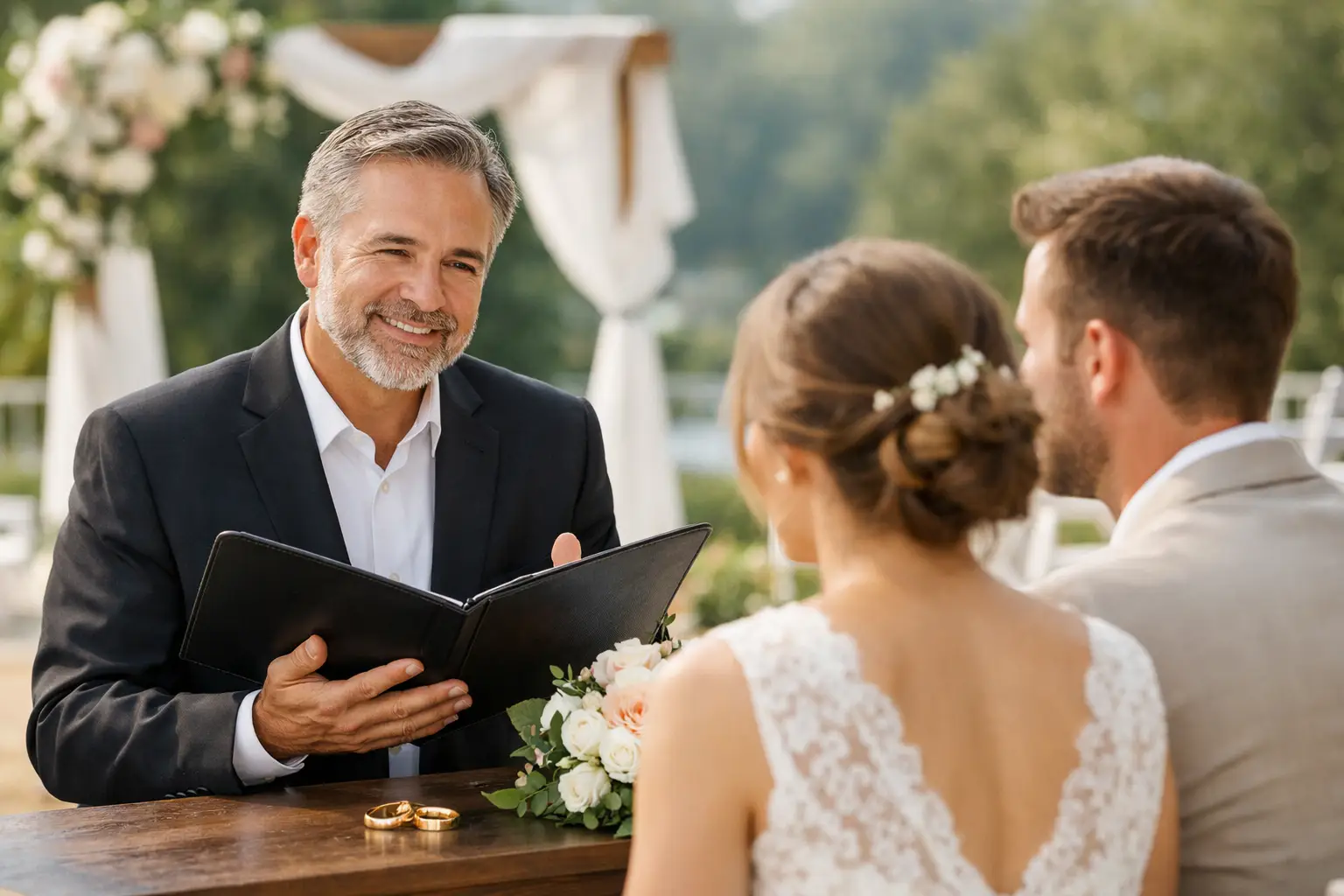
The person standing with you at the front matters more than most couples realize. When folks ask how to choose wedding officiant for a ranch wedding, barn ceremony, church gathering, or backyard celebration, they are really asking something bigger – who can lead this moment with care, conviction, and calm when it counts.
Your officiant does more than sign a license and say a few words. He sets the tone, guides the ceremony, and helps turn a busy day into a sacred one. If your wedding is rooted in faith, family, and country values, you need someone who understands that this is not a performance. It is a covenant.
How to Choose Wedding Officiant for Your Kind of Wedding
The first thing to consider is not price or availability. It is fit. A good officiant should fit your beliefs, your personalities, and the setting where you will be married.
A formal ballroom wedding may call for one kind of presence. A ceremony under an oak tree, beside a horse barn, or out on family land may call for another. If your wedding has a Western feel, a deep Christian foundation, or strong family traditions, it helps to choose someone who respects that way of life instead of treating it like a theme.
That does not mean your officiant needs to look or talk a certain way just for appearances. It means he should be comfortable in your world. He should know how to speak plainly, honor the meaning of marriage, and serve people without making the ceremony about himself.
Start With Faith, Values, and Conviction
For many couples, this is the place to begin. If your marriage is being built on biblical truth, your officiant should be able to speak from that foundation with confidence and grace.
Ask yourself what role faith will play in the ceremony. Do you want Scripture included? Prayer over your marriage? A clear Christian message about covenant, commitment, and God’s design for marriage? Or do you want something lighter and less overtly spiritual?
There is no sense pretending these are small differences. They shape the whole ceremony. A minister who shares your convictions can usually guide this part naturally. Someone who does not may still be kind and professional, but the words may feel generic when you were hoping for something deeper.
If faith matters to you, do not be shy about asking direct questions. How does he view marriage? Is he comfortable praying in Jesus’ name? Can he speak to both believers and guests who may not be in church every week? Those answers tell you a lot.
Look for a Shepherd, Not Just a Speaker
Anybody can read from a script. Not everybody can pastor a moment.
A strong wedding officiant knows how to steady nerves, keep things moving, and bring peace into the room. He is not there just to deliver lines. He is there to care for people. That matters when weather shifts, a groom gets choked up, family emotions run high, or the timeline gets a little western.
The best officiants carry both warmth and authority. They can smile when needed, but they also know when to speak with reverence. They listen well before the wedding, communicate clearly during planning, and lead confidently on the day itself.
That is especially important in rural and outdoor settings, where things do not always go by the book. Wind picks up. Sound systems act up. Horses make noise. Kids wander. A seasoned officiant does not get rattled by real life.
Ask About Legal Requirements
This part may not be romantic, but it is necessary. One of the most practical steps in how to choose wedding officiant is making sure the person can legally perform the ceremony in your state and properly complete the marriage license.
Laws vary by state, and sometimes by county. A trustworthy officiant should know what is required, what needs to be signed, and when it must be returned. If he seems unsure about the legal side, that is worth paying attention to.
You do not want confusion after the wedding because paperwork was handled wrong. The ceremony may feel like the heart of the day, but the legal details still need to be done right.
Pay Attention to How Personal the Ceremony Can Be
Some couples want a short, simple ceremony. Others want something more personal, with a message, vows, prayer, and a few details that reflect their story. Neither is wrong. What matters is that your officiant can meet you where you are.
Ask how much flexibility he offers. Can he help you shape the order of service? Will he take time to learn about your relationship? Can he include meaningful Scripture or family traditions without turning the ceremony into something stiff or overly scripted?
A personal ceremony should still be clear and grounded. This is one place where balance matters. Too little personalization can feel cold. Too much can make the ceremony ramble or lose focus. A good officiant knows how to keep it heartfelt without dragging it out.
Meet Before You Decide
If possible, have a real conversation before booking. Phone call, video call, or in-person visit – it all helps. You are not just hiring a service. You are trusting someone with one of the biggest moments of your life.
Listen for a few simple things. Does he put you at ease? Does he answer questions clearly? Does he seem interested in your marriage, not just your wedding date? Can he speak with both kindness and spiritual clarity?
You do not need polished sales talk. In fact, many couples prefer the opposite. Straightforward is better. Honest is better. If the conversation feels natural and respectful, that is usually a good sign.
Consider the Setting and Style
Not every officiant is comfortable outside a church building. That may not matter if you are getting married in a sanctuary. It matters a lot if your ceremony is taking place at a barn, rodeo arena, pasture, private ranch, or outdoor venue.
A wedding in those settings often calls for someone who can adapt. He may need to project his voice without perfect acoustics, work around a changing setup, or lead a ceremony where guests are wearing boots instead of dress shoes. None of that lowers the significance of the day. It just means the officiant should be at home in that environment.
For couples in the cowboy church community or those planning a country wedding, that cultural fit can make a real difference. A minister who understands ranch life, rodeo families, and Western values often brings a natural ease to the ceremony. It does not feel forced. It feels like your people.
Ask the Right Questions Without Making It Complicated
You do not need a twenty-page checklist. A few good questions can tell you plenty. Ask whether he is available for your date, whether he is legally recognized to officiate, how he approaches Christian weddings, how much input you will have in the ceremony, and whether he attends the rehearsal if needed.
Also ask what happens if there is bad weather, a delay, or an emergency. Real professionals have real answers. They may not promise perfection, but they will usually have a calm plan.
Price matters too, of course. But cheapest is not always best, and highest priced is not always strongest. Try to measure value by reliability, spiritual alignment, experience, and the kind of presence he brings to a room.
Watch for Red Flags
A few warning signs are worth mentioning. Be cautious if the officiant takes a long time to respond, stays vague about legal details, seems unwilling to listen, or pushes a one-size-fits-all ceremony no matter what you want.
It is also a problem if he makes the ceremony more about his personality than your marriage. A wedding officiant should guide the moment, not dominate it.
Another red flag is a complete lack of interest in premarital conversation. Not every officiant offers formal counseling, but someone leading a Christian wedding should care about more than the timeline and the fee. Marriage deserves more respect than that.
Choose Someone Who Honors the Weight of the Day
At the end of it all, how to choose wedding officiant comes down to trust. Can this person stand before God, your families, and your friends and lead with humility, truth, and steady hands? Can he speak words that fit not just the event, but the life you are beginning together?
For many country couples, the right choice is not the flashiest voice or the fanciest ceremony writer. It is the one who shows up grounded, faith-filled, and ready to serve. Someone who respects the land, the family, the vows, and the Lord.
If that is the kind of wedding you are planning, take your time and choose a person who will treat your marriage like it matters long after the chairs are folded and the guests head home. That kind of start stays with you.