When a ranch hand, rodeo friend, mother, grandfather, or trusted neighbor passes on, families often face a hard question while their hearts are already carrying plenty: memorial service vs celebration of life – which one is right? The honest answer is that either can honor a life well lived. What matters most is choosing a gathering that tells the truth about your loved one, gives folks room to grieve, and points hurting hearts toward the hope found in Jesus Christ.
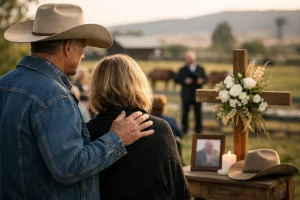
In the cowboy church community, people do not need a polished event that feels borrowed from somebody else. They need a time that sounds like their people, respects the way their loved one lived, and makes room for real faith. That may be a quiet service in a church, a gathering at the family ranch, or a remembrance held near the arena where a cowboy spent much of his life.
Memorial Service vs Celebration of Life: The Main Difference
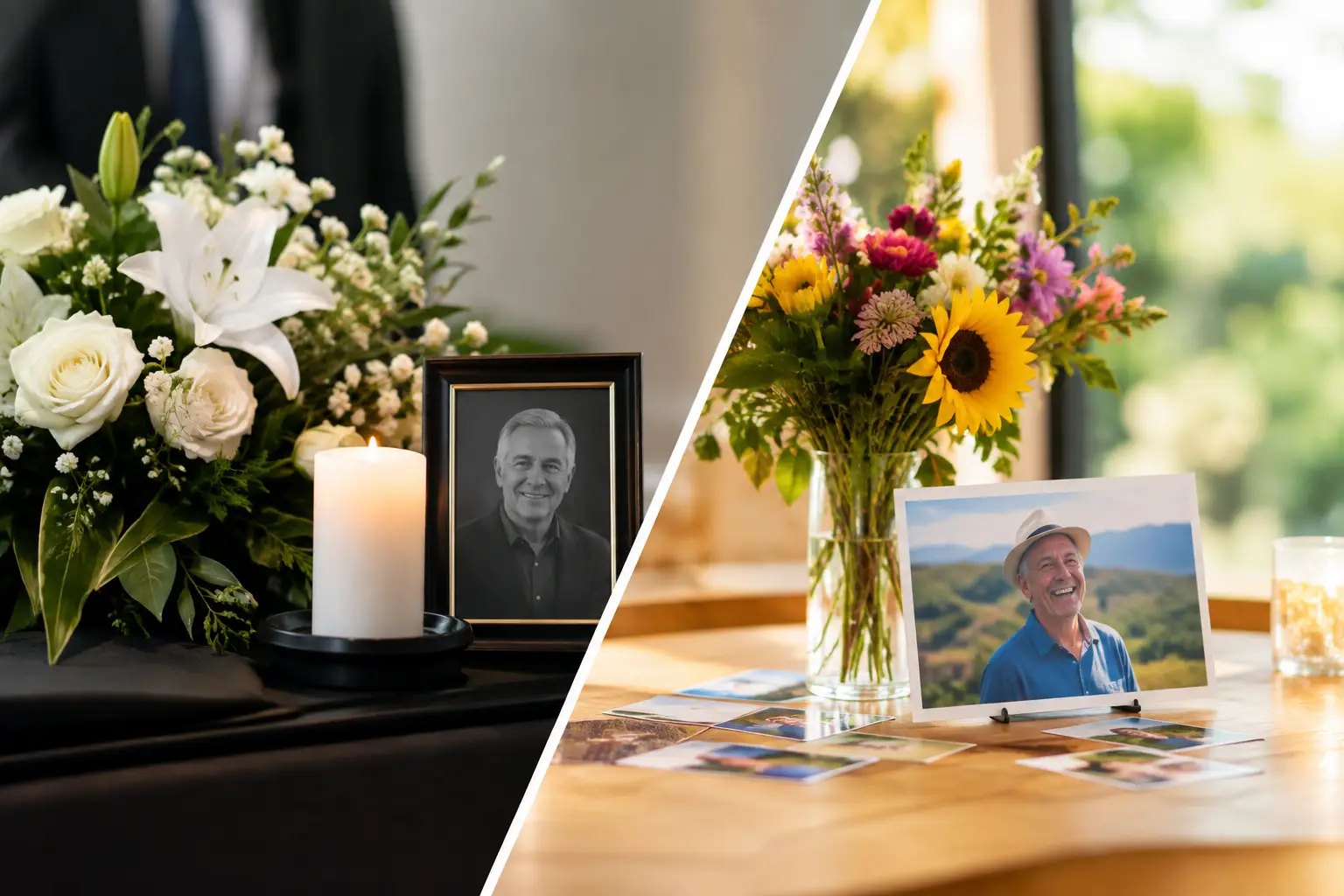
A memorial service is usually more structured and reflective. It may include prayer, Scripture, a message from the pastor, music, a eulogy, and a time for family and friends to remember the person who has died. Unlike a funeral, a memorial service often takes place after burial or cremation, without the body present.
A celebration of life is generally less formal. It puts added attention on stories, photographs, favorite songs, shared meals, and the details that made a person who they were. Folks may wear jeans and boots, gather in a barn or outdoor space, swap stories over coffee, and remember the person with laughter along with tears.
The difference is not as sharp as some people make it out to be. A memorial service can include warm stories and a meal afterward. A celebration of life can include prayer, Bible reading, and a clear gospel message. The name on the program matters less than the spirit of the gathering.
For Christian families, the best services often carry both truths: death is painful, and Christ gives real hope. We do not have to pretend that losing someone does not hurt. Jesus Himself wept at the grave of His friend Lazarus. Yet believers grieve with the assurance that death does not have the final word for those who belong to Him.
When a Memorial Service May Be the Right Fit
A memorial service may serve your family well when you want a more traditional order of service or when the person who died valued church, Scripture, and reverence. It can provide a steady place to stand when emotions are high and there are many decisions to make.
This format can be especially helpful when family members are spread across different places or when the loss was sudden. A pastor can guide the service with care, lead prayer, read Scripture, and offer a message that honors the person without putting them on a pedestal. The purpose is not to make someone sound perfect. It is to remember their life honestly and to remind everyone gathered of God’s comfort and grace.
A memorial service also gives the community a clear opportunity to show up. In rural country, people take care of their own. They bring food, shake hands, help with chores, sit quietly with the family, and share the kind of stories that keep a person’s memory close. A structured service can make room for that support while helping the family feel less alone.
When a Celebration of Life May Feel More Personal
A celebration of life may be a fitting choice when your loved one was known for gathering people, telling stories, working hard, and living with a big country heart. It can feel especially natural for someone rooted in ranching, rodeo, farming, hunting, or the cowboy way of life.
Maybe the family wants to hold the gathering under an open sky, at a ranch, in a community hall, or near the arena. Maybe they want guests to bring photographs, wear their best boots, or share memories from the trail, the sale barn, the church potluck, or the rodeo road. Those personal touches can bring comfort because they reflect the life that was actually lived.
Still, a celebration of life does not have to become a service with no anchor. Laughter is good, and so are the stories that make everyone smile through tears. But grief needs more than memories. A Christian message gives people something solid to hold when the crowd has gone home and the quiet settles in. Scripture, prayer, and the promise of eternal life can be offered plainly without making the gathering feel stiff or out of place.
Let the Person’s Life Help Shape the Service
If you are unsure what to choose, start by asking what would have felt true to your loved one. Some folks would have wanted a church hymn, an open Bible, and a simple message. Others would have wanted old friends telling stories, a favorite country song, and plenty of coffee nearby. Most people would have appreciated both reverence and warmth.
Think about the place where they felt most at home. For one family, that may be a sanctuary full of familiar faces. For another, it may be a ranch house, a barn, a pasture, or a cowboy church fellowship hall. A meaningful service does not require fancy decorations. A worn hat on a chair, a set of spurs, a saddle, a belt buckle, photographs, or a favorite verse can say more than a room full of expensive flowers.
Also consider the needs of the people left behind. A large public gathering may bring healing to a well-known rancher or rodeo competitor. A smaller, quieter service may better serve a family that needs privacy. There is no wrong choice in that. Grief does not follow a set pattern, and neither should every service.
Keep Faith at the Center Without Losing the Personal Touch
The strongest memorials do two things at once: they honor the individual and they honor God. A pastor or minister can speak about a man’s loyalty, a woman’s generosity, a grandparent’s grit, or a friend’s ability to make people feel welcome. Those details matter. They remind us that every life leaves a mark.
But a service should not rest only on what a person accomplished. Good people leave behind good memories, but memories alone cannot carry a grieving heart through the long days ahead. The Christian hope is found in Jesus – His death, His resurrection, and His promise of eternal life for those who trust Him.
That message can be shared with tenderness. It does not need to sound like a lecture. A few well-chosen Scriptures, a prayer for the family, and a straightforward word about salvation can offer comfort to believers and invite those who are searching to consider where they stand with God.
Passages such as Psalm 23, John 14:1-3, Romans 8:38-39, and 1 Thessalonians 4:13-18 are often meaningful because they speak directly to fear, loss, and hope. The right passage depends on the family and the moment. What matters is that the words are spoken with sincerity and care.
A Few Practical Decisions to Make
Once you have chosen the general direction, keep the planning simple. Decide who will lead the service, where it will be held, and whether it will be private or open to the community. Choose a few people to share memories rather than opening the floor without a plan, especially if emotions may run high.
You may also want to decide whether there will be music, a meal, a slideshow, or a reception afterward. These details can be meaningful, but they do not all have to be included. Families sometimes wear themselves out trying to create a perfect event when they are already worn down by loss. Choose what truly serves your people, and let the rest go.
If children will attend, do not feel pressure to shield them from every tear. A loving, faith-centered service can help young ones see that grieving is not weakness and that families can lean on God and one another in hard times. Give them a simple way to participate, such as placing a flower, sharing a drawing, or sitting close to family.
There Is Room for Tears and Gratitude
Whether you call it a memorial service or a celebration of life, the gathering can be both sorrowful and thankful. It can hold a widow’s tears, a grandson’s story, a ranch crew standing shoulder to shoulder, and a hymn that reminds everyone where true hope is found.
Do not worry too much about getting the label exactly right. Choose what honors your loved one, cares for your family, and makes space for the gospel. Then let the cowboy church community do what it does best: show up, pray hard, share the load, and remind one another that even in the valley, the Lord is near.