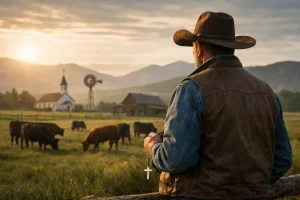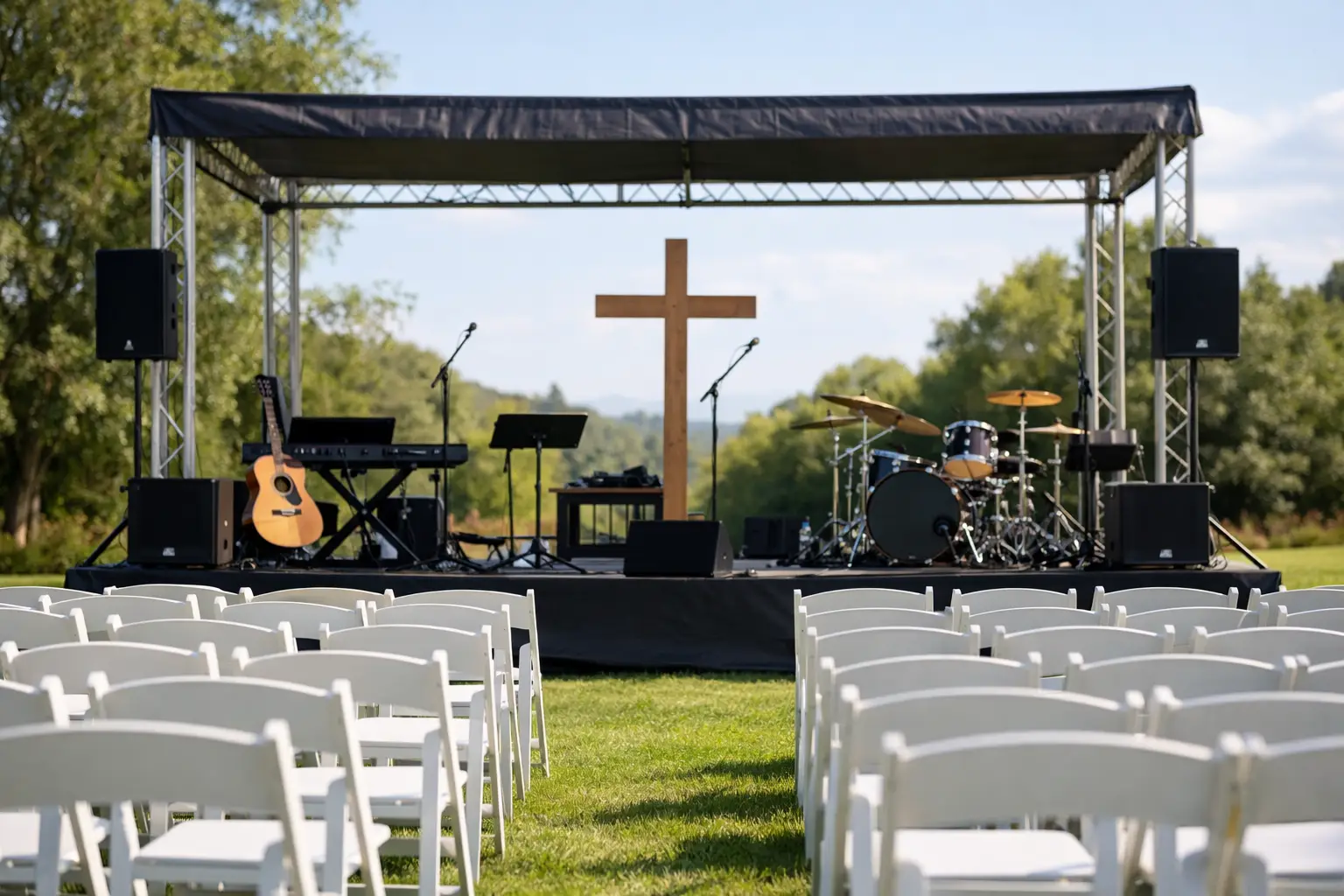
A good outdoor worship service setup gets tested fast. One strong gust of wind, one weak speaker, one patch of muddy ground, and folks stop listening to the message because they are busy fighting the conditions. When you are gathering people at a ranch, rodeo arena, pasture, barn lot, or under an open sky, the setup matters because it serves the ministry, not the other way around.
That is especially true in the cowboy church world. People will gladly stand by a trailer, sit in folding chairs near an arena fence, or gather under a simple shade tent if the service feels honest, welcoming, and well cared for. They do not need fancy. They do need thoughtfulness.
What an outdoor worship service setup really needs
The biggest mistake is treating outdoor church like indoor church moved outside. It is not. Outdoors, the land becomes part of the service. Wind carries sound away. Sun shifts. Dust rises. Trucks roll in late. Kids move around more. Horses, cattle, and nearby road noise may all be part of the morning.
That does not mean outdoor worship is harder in every way. In some settings, it actually feels more natural and more openhearted. Folks who would never step into a traditional sanctuary may feel at ease by a barn, under a pavilion, or along the rail of an arena. Still, the setup has to respect the realities of the space.
A strong plan usually starts with five simple questions. Can people hear clearly? Can they see the preacher or worship leader? Will they be safe and reasonably comfortable? Can the service continue if weather shifts? And does the layout support the spirit of worship instead of creating distraction?
If those pieces are covered, the service can feel grounded and peaceful even in a rough-and-ready setting.
Start with the land, not the equipment
Before you think about microphones or chairs, walk the property. Look at the slope of the ground, the direction of the sun, available shade, parking access, and where people are most likely to gather naturally. In a pasture, the flattest place may not be the best place if the morning sun is right in everyone’s eyes. In an arena, the most obvious spot may create an echo or put half the crowd too far away.
It helps to stand where the speaker will stand and look outward. Then stand where the crowd will sit and look back. That simple check can save a lot of trouble. A good outdoor worship service setup should make the speaker visible without making the platform feel distant or staged.
In Western and rural settings, simple often works best. A trailer, small riser, covered porch, or arena-side platform can do the job. You do not need a polished stage. You need a stable, visible focal point where the Word can be preached clearly.
Think about traffic flow
People rarely arrive in a neat line at an outdoor service. They come in pickups, side-by-sides, on foot, and sometimes while still handling chores. Make sure the way in feels obvious. Parking should not block the worship area, and families should be able to move from vehicles to seating without crossing behind the speaker every few minutes.
If children will be present, and they will, leave a little room for movement. A setup that is too tight can feel tense before the service even starts.
Sound is usually the make-or-break factor
If people cannot hear, they disconnect. Outdoors, sound does not bounce back to fill the space like it does inside a building. It just disappears. That means your sound system needs enough strength to carry the message, but not so much volume that it turns harsh.
For smaller groups, a basic speaker and microphone setup may be enough. For larger gatherings in open country or at an arena, you may need more than one speaker and careful placement. Put the sound where the people are, not just where the platform is. If all the volume is blasting from one spot, the front row gets overwhelmed while the back row misses half the sermon.
Wind also changes everything. A microphone with a windscreen helps. So does testing before folks arrive. Have someone walk the edges of the seating area while another person speaks normally into the mic. Do not just test with music. Spoken word is what matters most.
This is one place where cutting corners often backfires. You can get by with simple seating and a modest platform, but weak sound makes the whole service feel unsettled.
Seating, shade, and comfort matter more than pride admits
Most country folks are not asking for cushioned pews and air conditioning. They are used to weather, dirt, and real-life settings. But there is a difference between rugged and careless.
If the service is short and informal, standing room may be fine for some of the crowd. If you expect families, older adults, or a longer message, chairs matter. Folding chairs, hay bales with blankets, arena bleachers, or tailgate seating can all work depending on the setting. The point is to be intentional.
Shade matters too, especially in Texas and Oklahoma. Morning services help, but even then, direct sun can wear people down fast. A few pop-up tents, a tree line, a barn overhang, or positioning the crowd with the sun at their back can make a big difference. If you cannot provide much shade, keep the service moving and make that choice on purpose.
Water is another small thing that says a lot. In warm weather, even a basic water station shows care for the people who came.
Don’t overbuild the atmosphere
A common trap is trying to make the event look too polished. An outdoor worship gathering in a cowboy setting does not need to imitate a concert. The best atmosphere usually comes from honesty, not production. Clean up the area, set things in order, and make it welcoming. That is enough.
Crosses, signs, and simple Western touches can fit naturally, but they should support the service, not compete with it.
Weather prep is part of ministry prep
Outdoor services always carry some uncertainty. You may have blue skies at sunrise and a storm by midmorning. A little planning prevents scrambling.
Have a backup plan before anyone arrives. That might mean moving under a barn, into an arena covered section, beneath a large tent, or shifting to a nearby building if one is available. Let key helpers know that plan ahead of time.
Wind is often more disruptive than rain. It knocks over music stands, lifts table covers, rattles tents, and creates microphone noise. Secure everything. Weight down tents, tape or cover cords, and avoid lightweight décor that will become a distraction.
Mud is another real issue on ranch and arena property. If rain is possible, think about where people will park and walk. The best preaching in the world will not erase the frustration of folks getting stuck before the service begins.
Build a setup that serves the people attending
Not every outdoor gathering has the same purpose. A ranch-side Sunday service may need one kind of layout. A funeral requires more care, more intimacy, and easier seating access for family. A Western wedding service may call for a cleaner visual focal point and more attention to entrance flow. A rodeo outreach event may need quicker setup, stronger sound projection, and room for people to come and go.
That is why the best outdoor worship service setup depends on who is gathering and why. If the crowd is mostly regular church families, longer seating and children’s space may matter most. If you are speaking to folks who are not used to church at all, simplicity and openness may matter more than any formal arrangement.
This is where a traveling ministry like Burleson Cowboy Ministries understands the assignment well. Ministry in rural America rarely happens in perfect conditions. It happens where people live, work, compete, grieve, and gather. The setup should honor that reality instead of fighting it.
Volunteers help, but clear roles help more
Even a small service runs better when someone owns each part of the setup. One person handles sound. One watches seating and arrival flow. One keeps an eye on weather and backup plans. One helps the speaker with what is needed up front.
You do not need a big team. You need dependable people who know what they are responsible for. Too many outdoor services get stressful because everyone assumes someone else took care of the details.
If worship music is part of the service, rehearse in the actual space if possible. Outdoor settings change timing, sound, and communication. What works in a living room or sanctuary may feel different beside an arena gate.
Keep the focus where it belongs
At its best, an outdoor service feels both simple and strong. The land reminds people of God’s creation. The setting feels familiar. The barriers drop a little. Folks come as they are, boots dusty, kids close by, trucks lined up nearby, and they hear the gospel in a place that makes sense to their life.
That only happens well when the practical pieces are handled with care. Good setup is not about show. It is about removing obstacles so people can listen, pray, worship, and respond.
If you are planning one, do not chase perfect conditions. Aim for clear sound, wise layout, honest hospitality, and a backup plan for what you cannot control. In country ministry, that kind of preparation is not fancy. It is one more way of loving people well.