When a cowboy family loses someone, grief rarely stops the chores. Horses still need feeding. Cattle still need checking. Kids still need a ride. Supper still has to get on the table somehow. If you are wondering how to support grieving cowboy family members, start there – not with big speeches, but with steady help, quiet respect, and a heart that is willing to stay awhile.
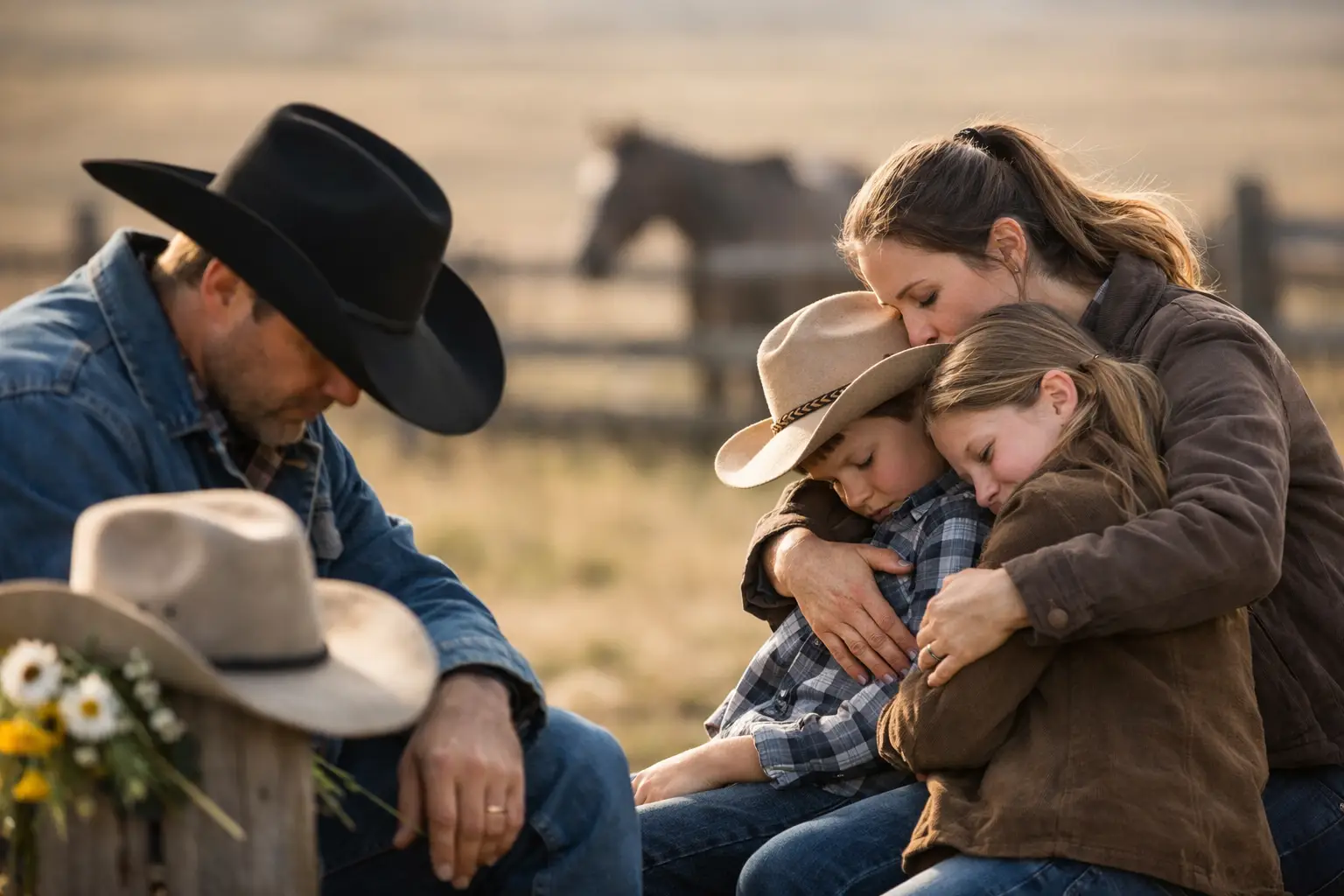
In ranching and rodeo life, people are used to carrying hard things without much complaint. That strength is real, but it can also make grief harder to see from the outside. A man may be brokenhearted and still saddle a horse at daylight. A wife may be planning a service while making sure everyone else is fed. A teenager may act fine in public and fall apart alone in the barn. If you want to help, understand this first: grief in a cowboy family may not look loud, but that does not mean it is light.
How to support a grieving cowboy family in real life
The best support is usually simple, practical, and consistent. Grand gestures can mean something, but they are not what gets a family through the week after a funeral or the month after everyone else has gone home. What helps most is showing up in ways that fit their life.
That may mean bringing a meal that actually feeds working people, not something tiny and decorative. It may mean hauling hay, fixing a fence panel, covering a gate call, or making sure the horses are watered if the family is tied up with visitors and arrangements. If the loved one who passed was the one who handled certain ranch tasks, the family may be carrying grief and a sudden workload at the same time.
This is where many people mean well but miss the mark. They say, “Call me if you need anything.” It sounds kind, but grieving people often do not have the strength to organize help. It is better to offer something specific. Say, “I can feed your horses Friday evening,” or “I am headed to town – text me your grocery list.” Specific help is easier to accept because it does not ask the family to do more thinking.
There is also wisdom in paying attention to timing. The first few days usually bring a wave of support. The second and third weeks can get very quiet. That is often when reality settles in. If you really want to care for a grieving cowboy family, keep showing up after the service is over and the casseroles stop coming.
Respect the way they grieve
Every family has its own way of carrying sorrow. In cowboy culture, some folks talk openly. Others keep their words short and their feelings close. Neither one is wrong. Trouble starts when outsiders try to force grief into one shape.
You do not need to push someone to cry, talk, or share more than they want to share. You also do not need to act afraid of their pain. A simple, honest word often means more than a polished one. “I am sorry.” “I loved him too.” “I am praying for y’all.” Those kinds of words leave room for grief without trying to control it.
Respect also means honoring the person who died in ways that fit the family. For some, that means boots by the casket, a cowboy hat on a chair, horses in the procession, or a service held at a barn, arena, or pasture instead of a formal chapel. For others, it means a straightforward church service with Scripture, prayer, and stories told plain. Support should never compete with those choices. It should strengthen them.
Let silence do some of the work
A lot of people get nervous around grief and start talking too much. They try to explain why things happen. They fill the quiet with opinions. Most of the time, that is more for their comfort than the family’s.
You do not have to answer every hard question. In fact, some questions do not have easy answers this side of heaven. Faith matters deeply here, but even strong believers can wrestle with sorrow, confusion, and exhaustion. Sitting with somebody on a tailgate, praying with them in the kitchen, or just standing nearby while they cry can be holier than a long speech.
Help with burdens they may not say out loud
When people think about grief, they often think only about emotions. But loss creates a pile of practical pressure too, especially in rural life. There may be animals to manage, land issues to sort out, travel plans to coordinate, legal paperwork, out-of-town relatives, and children who do not fully understand what has happened.
If you are close enough to the family, pay attention to those hidden burdens. Maybe the widow has never had to handle certain business matters. Maybe granddad was the one who knew every gate code, every feed routine, and every handshake agreement. Maybe the family ranch hand is grieving too, which means the usual help is hurting alongside them.
This is why care should be humble, not assumptive. Ask before you take over. Some families will welcome broad help. Others will want only one or two trusted people involved. It depends on relationships, personalities, and the kind of loss they are facing. Support is not about running the show. It is about making the load lighter.
Don’t forget the children and teenagers
Kids in cowboy families often grow up tough and capable, but they still grieve like kids. They may not have the words for what they feel. They may act angry, get quiet, or throw themselves into chores and animals because that feels safer than talking.
One of the kindest things you can do is notice them. Speak to them directly. Use the name of the person who died. Let them know it is okay to miss them, okay to cry, and okay to ask questions. If you can help keep some normal rhythm in their life – a meal, a ride, a safe place to talk, a familiar routine – that can bring real comfort in a season that feels upside down.
Bring faith with gentleness and conviction
For a Christian family, grief is not grief without hope. But hope should not be used like a bandage slapped over a fresh wound. Scripture, prayer, and the promises of God matter deeply, especially in a loss. They just need to be offered with tenderness.
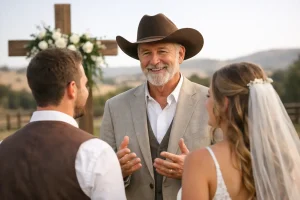
A grieving family does not need clichés. They need truth spoken with love. They need someone who believes Jesus is near to the brokenhearted and acts like it. Sometimes that looks like reading a Psalm at the kitchen table. Sometimes it looks like praying over a widow before everybody leaves for the night. Sometimes it means arranging a funeral message that sounds like real faith with a country heart, not something stiff and disconnected from the life their loved one actually lived.
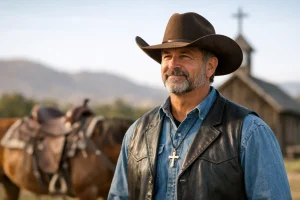
That is one reason a ministry like Burleson Cowboy Ministries can mean so much in these moments. Families often need pastoral care that understands both the Bible and the cowboy way of life. They do not want to explain why the barn matters, why the stock trailer is part of the story, or why a rodeo family grieves the way it does. They want someone who already knows.
What not to do when supporting a grieving cowboy family
Good intentions can still wound if they are careless. Do not make the loss about your own experience unless the family clearly wants that conversation. Do not push them to make quick decisions just because it would be easier for everyone else. Do not gossip about private family matters under the name of concern.
Be careful with phrases that minimize pain. “He’s in a better place” may be true, but it can land hard if it is said too quickly. The family knows heaven is real. They also know the chair at the table is empty. Both things can be true at once.
And do not vanish after the funeral. Faithful care is not flashy. It is a phone call a week later. It is remembering birthdays, branding season, holidays, and the first anniversary of the loss. Grief has a long tail. Real community does too.
Stay steady for the long haul
If you want to know how to support grieving cowboy family members well, think less like a visitor and more like a neighbor. Neighbors do not just stop by for the hard day. They keep an eye on the place. They come back. They remember.
That kind of care reflects the heart of Christ. It is present. It is practical. It is not ashamed of tears, and it is not afraid of hope. In cowboy country, where people are used to being strong, one of the greatest gifts you can offer is a steady presence that says, without making a fuss, “You do not have to carry this alone.”
When you show up with prayer, respect, and willing hands, you are doing more than helping with a hard season. You are reminding a hurting family that the Lord still sees them, and that the cowboy church community takes care of its own.